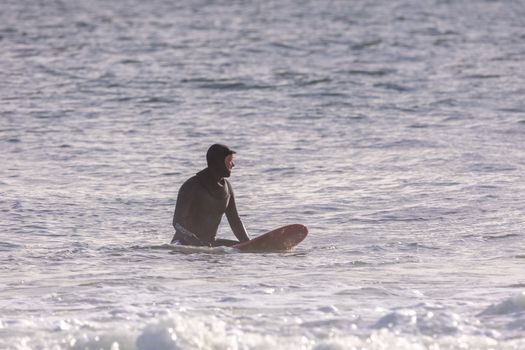
Xcel is one of the most specialized wetsuit brands in the world. Focused primarily on cold-water performance, with a lineup engineered for extended sessions in water most brands wouldn’t push their suits into. If you live in Northern California, Oregon, Maine, Scotland, or anywhere with genuinely cold water, Xcel is a brand you’ll see everywhere. Here’s why, and how to pick within their lineup.
Key Takeaways
- • Xcel was founded in Hawaii in 1982 and has become a leader in cold-water wetsuit construction.
- • Their premium line (Drylock) is one of the warmest wetsuits in the industry.
- • Signature tech: TDC Thermo-Dry Celliant lining, fully taped seams on premium, and aggressive cuff seals.
- • Sizing runs slightly athletic. Comparable to O'Neill, slimmer than Rip Curl.
The Xcel story
Xcel was founded in 1982 in Hawaii by Peter Johnson, who started by making custom wetsuits for local surfers. Despite the warm-water Hawaiian origin, the brand quickly developed a reputation for cold-water performance. Partly because the best test laboratory for a cold-water suit isn’t in Hawaii, but in Northern California, Oregon, and Japan. Xcel’s early relationships with surfers in those regions shaped the lineup.
Today Xcel remains headquartered in Aiea, O’ahu, with product development relationships across major cold-water surf communities globally. The brand is privately held and stayed independent while competitors consolidated. Unusual longevity for a specialized wetsuit brand.
Xcel’s market position is clearest in the $300–$600 premium cold-water tier, where the Drylock line has become one of the defining products. The budget and mid-range lineup (Axis, Infiniti, Comp X) are credible but don’t define Xcel’s identity the way the Drylock does.
The current lineup
Axis ($180–$240 band)
The entry-level line. 3/2mm and 4/3mm full suits, back-zip and chest-zip options, Xcel’s mid-tier Thermoprene neoprene, GBS seams with partial inside taping on some models. Good value pick. Xcel’s build quality at the entry-level is consistent, and the Axis outperforms many $150 competitors. Shows up in our best wetsuits for beginners guide when buyers want slightly better than baseline budget.
Infiniti ($280–$380 band)
Mid-range line. 3/2, 4/3, and 5/4 configurations. Uses TDC lining in the torso (Xcel’s thermal technology), GBS seams with inside taping, chest-zip or back-zip depending on model. The Infiniti 4/3 is one of our recommended cold-water picks for mid-range budgets. See best surfing wetsuits and best women’s wetsuits.
Comp X ($350–$450 band)
The competition-oriented premium line. Japanese-sourced neoprene with maximum flex in the shoulders, Radiant Rebound thermal lining, Fusion-X taped seams. Designed for surfers who want premium performance in 4/3 and 5/4 thicknesses without going to the absolute top of the range. Our top cold-water premium pick in best surfing wetsuits.
Drylock ($450–$650 band)
Xcel’s flagship. The defining product in the lineup and, for many surfers, the category leader for cold-water performance. Fully taped seams (inside and out), DrylockCelliant thermal lining, Xcel’s aggressive cuff seal design, and a hooded variant for winter. Comes in 4/3, 5/4, and 6/5/4 configurations.
If you’re surfing in 48–55°F water regularly, the Drylock 5/4 Hooded is the suit most cold-water specialists would recommend first. Covered in detail in best cold-water wetsuits.
Drylock Celliant (same price band, specialty)
Same construction as the Drylock line but with Celliant-embedded lining specifically marketed for enhanced thermal retention. The Celliant material is also used in athletic recovery clothing; claims for wetsuits are more modest but real. Warmer than standard Drylock by a small but measurable margin.
Specialty categories
- Women’s suits: Infiniti, Comp X, and Axis all have women’s-specific patterns. Covered in best women’s wetsuits.
- Kids’ wetsuits: Axis Kids line, credible budget option with proper kid-specific fit.
- Dive suits: Xcel makes dive-specific wetsuits but they’re less prominent in the market than Henderson or Scubapro. See best wetsuits for scuba diving for category context.
Technology and materials
Xcel uses clear terminology for its proprietary features. Here’s what each actually is:
TDC / Thermo-Dry Celliant
Xcel’s thermal lining. TDC is a plush fleece-like interior that traps warm air against the skin. The Celliant version embeds Celliant fibers into the lining. These are mineral-infused fibers that reflect body heat back as infrared energy. The performance benefit is modest but measurable: maybe 1–2°F of effective warmth boost. Used across Infiniti, Comp X, and premium suits.
Fusion-X / Fusion Bond
Xcel’s premium seam construction. On Fusion-X suits, GBS seams are reinforced with external liquid tape and internal full tape. Creates near-watertight seams that flex with the neoprene. The premium Drylock uses Fusion Bond. A fully bonded seam with no visible stitching on key panels.
DrylockCelliant
The specific interior lining used in the Drylock line. Combines the plush TDC construction with Celliant fibers and an additional moisture-wicking layer. Dries faster than standard TDC, warms faster after a flush. One of the most effective thermal linings in the industry by our testing.
Glideskin / Xpose
Xcel’s Glideskin material (smooth neoprene without a jersey face) is used in neck collars and cuffs for better sealing. Xpose panels. High-flex neoprene. Show up in shoulder regions of premium suits for maximum stretch.
Japanese Yamamoto collaboration
Xcel’s premium tier uses Yamamoto Corporation neoprene (#39 most commonly). For the materials context see our wetsuit materials explained guide.
Xcel sizing: how it actually fits
Xcel cuts slightly athletic through the chest and torso, similar to O’Neill and slightly slimmer than Rip Curl or Billabong. Tall and lean builds fit well; broader or muscular builds sometimes find Medium constricting in the chest.
Xcel’s patterns tend to have shorter torsos than O’Neill at the same labeled size. Something taller surfers should account for. A 6’2” surfer who fits an O’Neill MT might need an Xcel L or LT instead.
General sizing notes:
- Height 5’8”–6’0”, average build: Medium.
- Height 6’0”–6’3”: Medium Tall, but confirm chest measurement first. Xcel’s MT runs narrower than some brands.
- Height under 5’8”: Small or Medium Short.
- Broader chest (42”+) or muscular: Large; Xcel’s M-to-L step is more pronounced in chest than in torso length.
Xcel offers Short and Tall variants on most of its lines but fewer than O’Neill overall. If you’re between sizes, our size calculator maps your measurements against Xcel’s published chart specifically.
Price range across the lineup
| Tier | Model | Typical price |
|---|---|---|
| Entry | Axis | $180–$240 |
| Mid-range | Infiniti | $280–$380 |
| Premium all-rounder | Comp X | $350–$450 |
| Cold-water flagship | Drylock | $450–$650 |
| Peak thermal | Drylock Celliant | $500–$700 |
| Winter hooded | Drylock 5/4 Hooded | $500–$650 |
| Extreme cold | Drylock 6/5/4 Hooded | $600–$750 |
Seasonal discounts can bring premium tiers into mid-range territory, especially post-winter when retailers clear cold-water inventory.
Who Xcel is best for
- Cold-water surfers. The Drylock line is category-leading for water 48–55°F.
- Winter surfers in very cold water. Xcel’s 5/4 and 6/5 hooded options are genuinely warm, not marketing-warm.
- Athletic body types. Xcel’s fit favors leaner builds.
- Premium buyers who value taped seams and measurable warmth over flex-first suits.
- Cold-water divers looking for surf-adjacent premium thermal performance in a dive-capable cut.
Who might prefer a different brand
- Warm-water surfers. Xcel’s strengths are thermal; for tropical and warm-water use, Rip Curl’s Dawn Patrol or O’Neill’s Hyperfreak are equally good at lower prices.
- Broader body types. Billabong or Body Glove cuts accommodate broader builds better than Xcel’s athletic pattern.
- Eco-focused buyers. Xcel uses limestone neoprene, not plant-based. Patagonia is the stronger fit.
- Triathletes. Xcel doesn’t make tri-specific suits. See best triathlon wetsuits.
- Budget-first buyers. At the entry tier, O’Neill Reactor-2 and Rip Curl Omega are more refined choices than Xcel’s budget lines.
Common Xcel comparisons
- Xcel Drylock 5/4 vs O’Neill Psycho Tech 5/4: Drylock has meaningfully better seam taping and slightly better thermal retention. Psycho Tech has slightly better flex. Both are top-tier cold-water picks. See Xcel vs O’Neill.
- Xcel Comp X 4/3 vs Rip Curl Flashbomb 4/3: Comp X is noticeably warmer. Flashbomb dries faster and has slightly better flex. Use case decides.
- Xcel Infiniti 4/3 vs Need Essentials 4/3: Similar thermal performance. Need Essentials is $100+ cheaper. If budget matters, Need Essentials wins; if brand support and retail availability matter, Xcel wins.
Putting it together
Xcel is a category specialist. The best-in-class brand for cold-water wetsuits, especially at the premium tier. If you’re in water below 55°F with any regularity, the Drylock line is genuinely worth considering at its price. If you’re in warmer water or shopping at the mid-range, Xcel is solid but not dominant.
The brand’s consistency across tiers is its second strength. Entry-level Axis, mid-range Infiniti, and premium Drylock all use the same build philosophy. Just with different material tiers. Unlike some competitors whose budget and premium lines feel like different brands, Xcel’s identity is consistent.
For a tuned recommendation that considers your specific water and activity, try the Wetsuit Finder. For sizing against your exact measurements, the size calculator supports the full Xcel lineup. For the full buying context, start with how to choose a wetsuit.