Learn
Fall Wetsuit Transition: When to Step Up Thickness
Fall wetsuit transition guide. When to step up from 3/2 to 4/3, when to add hooded coverage, and how to read declining water temperatures across regions.
The fundamentals — fit, thickness, seams, water temperature, and care. Start here if you want the "why" behind the recommendations in our buying guides.
Fall wetsuit transition guide. When to step up from 3/2 to 4/3, when to add hooded coverage, and how to read declining water temperatures across regions.

How to layer under a wetsuit for cold water. The thermal-rash-guard, polypropylene base, and Yulex top options that add 3 to 8 degrees of comfort.

How to tell if your wetsuit is worn out. The five signs of compression loss, seam fatigue, and rubber degradation that mean it is time to replace.
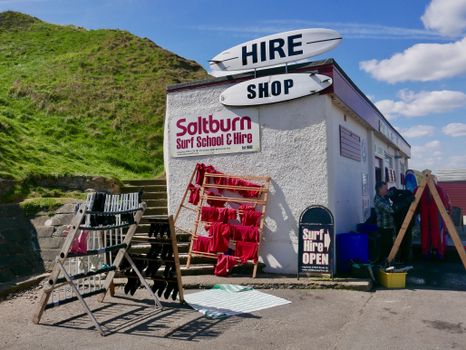
End-of-summer wetsuit clearance strategy. When deals actually appear, what brands discount, and how to time the buy for the most savings on premium gear.

How to pack a wetsuit for travel without ruining it. The roll-not-fold rule, dry-bag setup, and what to do when you have to pack a wet suit.

How to get sand out of a wetsuit fast. Field-rinse, freshwater flush, and the techniques that prevent sand from grinding down neoprene over time.

How to pee in a wetsuit safely and without ruining the suit. The technique surfers use, why salt water rinses help, and how to keep the smell from setting in.

How to avoid wetsuit rash and chafing in surfing, diving, and swimming. Common rash zones, prevention techniques, and what to do when rash starts.

How to take off a wetsuit fast and without tearing it. Step by step technique for cold-handed parking-lot changes after the session.
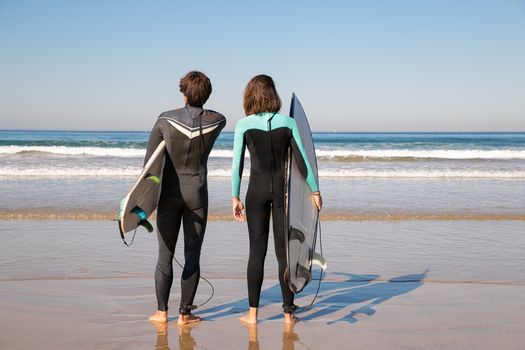
How to put on a wetsuit step by step, from neoprene-friendly bag tricks to shoulder-saving zip techniques. The right way to avoid fingernail tears.

Sustainable wetsuits compared: Yulex, Geoprene, recycled neoprene, and which eco-leaning brands deliver real environmental impact reduction.

How a wetsuit actually keeps you warm: closed-cell neoprene, trapped water, body heat, and the physics that makes a 4mm wetsuit work in 50 degree water.

Wetsuit glue and adhesives explained: Aquaseal, Black Witch, neoprene cement, and which to use for tears, seams, and full-suit reconstruction.
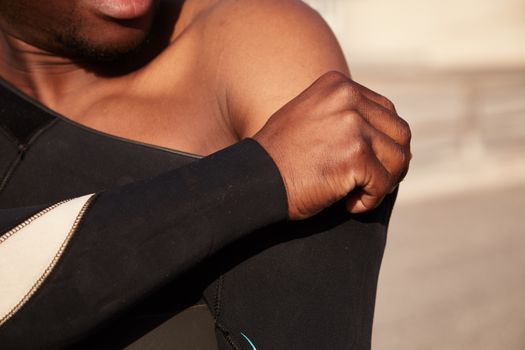
Wetsuit zipper types compared in real-world use: chest zip, back zip, and front zip. Donning, durability, flush, and what only matters after months of wear.

Wetsuit seam types compared: flatlock, GBS, blind-stitched, and liquid-taped seams. How they work and which keeps you warmer in cold water.
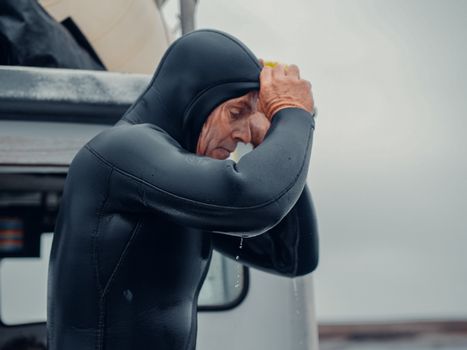
Wetsuit thermal linings compared. How Plush, Drylock, Firewall, and other interior fleece systems retain warmth and which performs best in cold water.
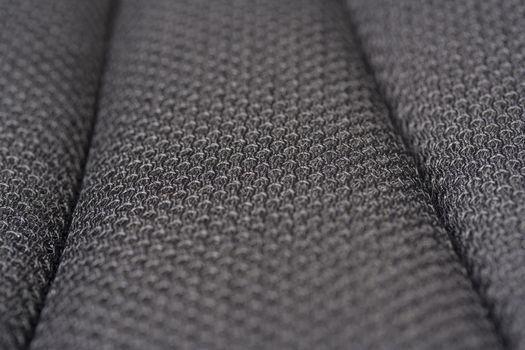
Yulex vs limestone neoprene compared on warmth, stretch, durability, and environmental impact. Which premium rubber is right for your wetsuit?

Yamamoto's calcium-carbonate neoprene grades 38, 39, and 40 explained. How Japan's limestone-based rubber became the premium standard for wetsuits.
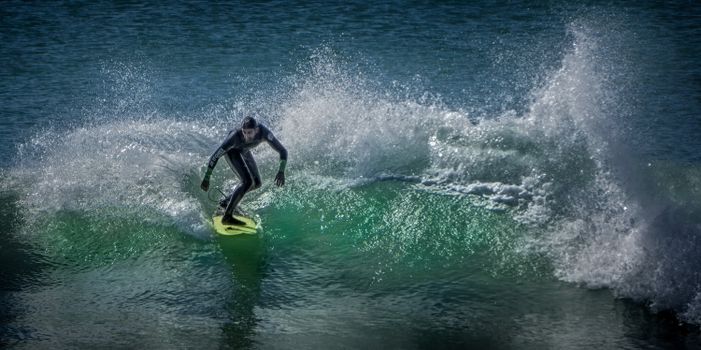
Cold water surfing is a discipline. This guide covers the prep, the session, the recovery, and the building of cold tolerance over a year, from PNW regulars.
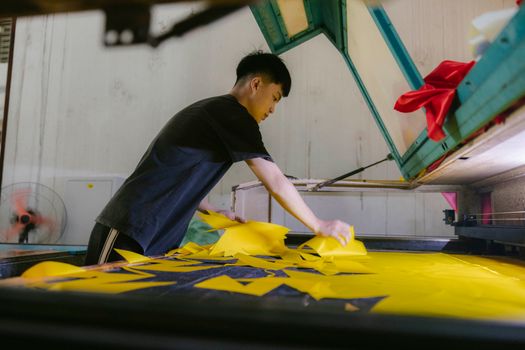
What we learned from wetsuit designers about wetsuit design tradeoffs, material selection, panel cuts, and seam evolution. Synthesized from cited interviews.

An ongoing wetsuit lifespan study tracking compression loss, seam failure, and neoprene degradation across 60+ suits over 5 years. Preliminary findings included.
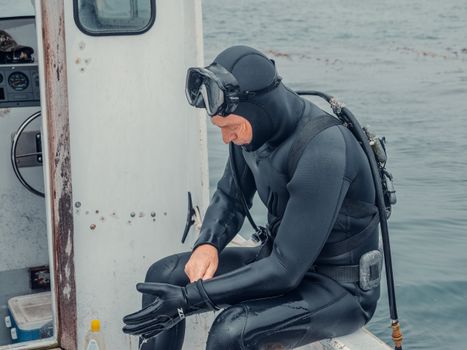
Realistic wetsuit lifespan ranges by quality tier, usage frequency, and care. Signs your wetsuit is done. Plus the habits that meaningfully extend its life.
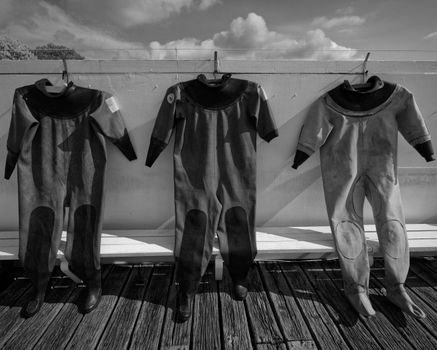
The short list of habits that actually extend wetsuit life: rinsing, drying out of sun, hanging correctly, and avoiding the moves that destroy suits fast.
US coastal water temperatures by month, drawn from 40+ NOAA buoy stations. Reference monthly averages for surf, dive, and swim spots nationwide.
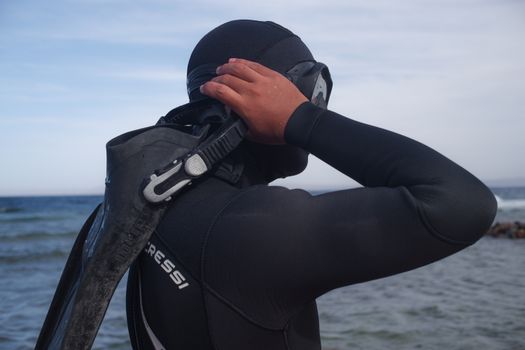
How wetsuit seams are built and why it matters for warmth. Flatlock, GBS, sealed, and welded seams explained, with guidance on which construction to buy for your water.
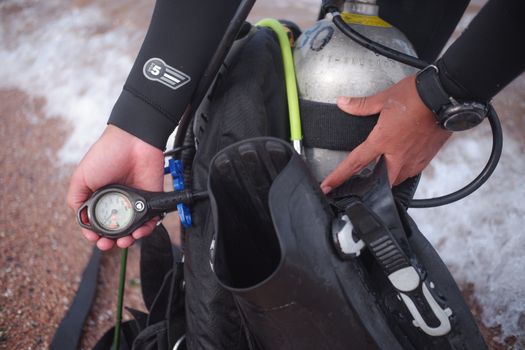
A plain-English breakdown of wetsuit materials: petroleum and limestone neoprene, Yamamoto grades, Yulex natural rubber, and the linings that affect warmth.

The history of the wetsuit, from Hugh Bradner's 1952 prototype through Jack O'Neill, Bob Meistrell, neoprene, limestone, Yulex, and modern seam tech.

The actual physics of how wetsuits keep you warm. Trapped gas cells, the thin water layer, and why fit matters more than thickness for real-world warmth.
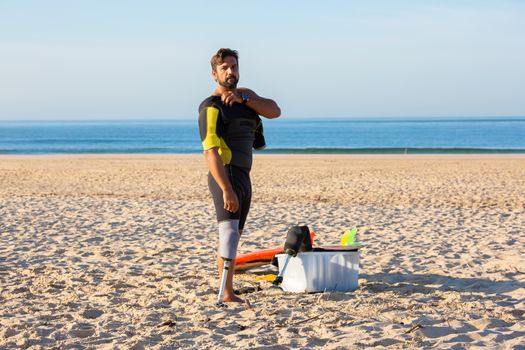
What a properly-fitting wetsuit looks and feels like, the red flags of a bad fit, and a zone-by-zone walkthrough of where to check before you commit to a size.
Water temperature to wetsuit thickness, band by band, with regional examples from SoCal to the North Sea, plus how wind and session length shift things.
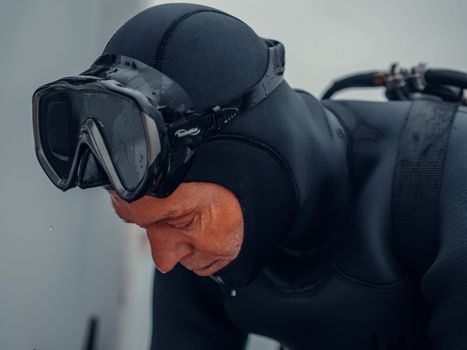
The real meaning of 3/2mm, 4/3mm, and 5/4mm wetsuit labels. How thickness distribution works, why it matters, and how to pick the right combination for your water.
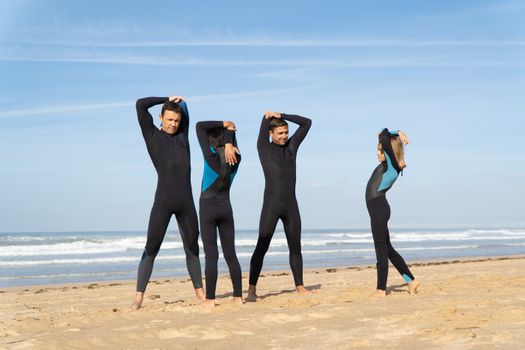
A practical guide to picking the right wetsuit: thickness, fit, seams, entry style, and budget. Built for first-time buyers and seasoned cold-water regulars.