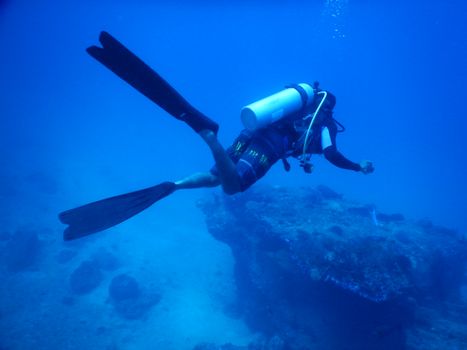
Buying Guide
Best Wetsuits for Scuba Diving (2026 Guide)
Dive wetsuits from 3mm tropical to 7mm cold water, including two-piece and semi-dry options. Reviews of Henderson, Cressi, Scubapro, O'Neill, and more.
Hub, Scuba Diving
Dive-focused gear is a different category from surf suits. Thicker, tougher, and built around tank gear, with warmth that has to hold up at depth.
A diving wetsuit is not a surfing wetsuit with a reef-safe color scheme. Depth compression shrinks your neoprene at every foot of descent, a 5mm suit behaves like a 3mm at 60 feet. You're kneeling on hard surfaces, wrestling with BCD straps, and managing a tank against your spine. Dive-specific suits are thicker, denser, more abrasion-resistant, and laid out with back-zip entry and tank pads for a reason.
Our buying guide covers picks across tropical, temperate, and cold-water diving, including two-piece and semi-dry options. Our wetsuit physics article explains why depth changes the thickness equation, and our temperature guide has diver-specific recommendations for common water temps.
A rough starting point: 3mm for tropical reef diving (75°F+), 5mm for temperate water (60–70°F), 7mm or two-piece for cold water (50–60°F), and semi-dry or drysuit below 50°F. Depth adjusts these, a 100-foot dive in 60°F water is effectively colder than a shallow dive in the same temp.
The pages we'd hand to a friend asking about this category.
Dive wetsuits from 3mm tropical to 7mm cold water, including two-piece and semi-dry options. Reviews of Henderson, Cressi, Scubapro, O'Neill, and more.
A practical guide to picking the right wetsuit: thickness, fit, seams, entry style, and budget. Built for first-time buyers and seasoned cold-water regulars.
The real meaning of 3/2mm, 4/3mm, and 5/4mm wetsuit labels. How thickness distribution works, why it matters, and how to pick the right combination for your water.

The actual physics of how wetsuits keep you warm. Trapped gas cells, the thin water layer, and why fit matters more than thickness for real-world warmth.
Dive wetsuits from 3mm tropical to 7mm cold water, including two-piece and semi-dry options. Reviews of Henderson, Cressi, Scubapro, O'Neill, and more.
Independent picks for serious cold-water wetsuits - 5/4mm and 6/5mm hooded suits for winter surfing, PNW, New England, and sub-50°F water. Plus essential accessories.
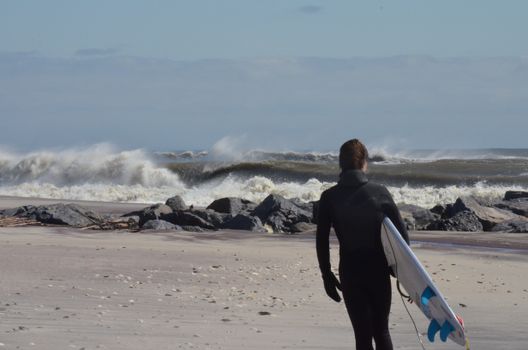
Seven budget wetsuits under $150 that actually deliver. Honest about what you give up at this price. And what you don't need to compromise on.
The real meaning of 3/2mm, 4/3mm, and 5/4mm wetsuit labels. How thickness distribution works, why it matters, and how to pick the right combination for your water.
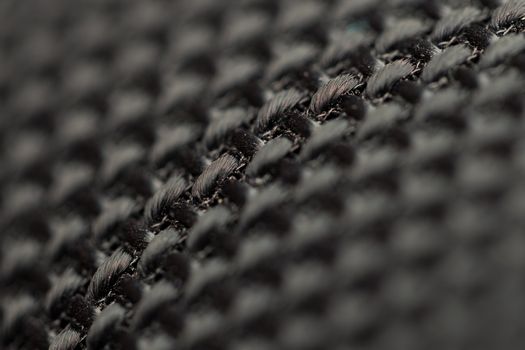
Water temperature to wetsuit thickness, band by band, with regional examples from SoCal to the North Sea, plus how wind and session length shift things.
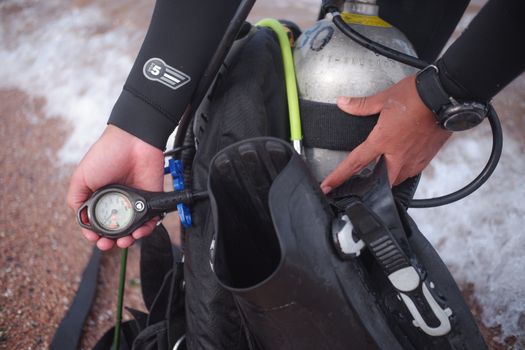
A plain-English breakdown of wetsuit materials: petroleum and limestone neoprene, Yamamoto grades, Yulex natural rubber, and the linings that affect warmth.
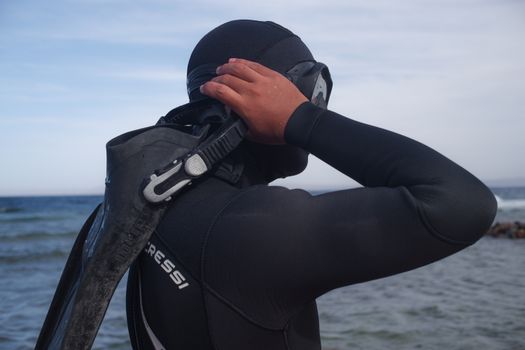
How wetsuit seams are built and why it matters for warmth. Flatlock, GBS, sealed, and welded seams explained, with guidance on which construction to buy for your water.
The actual physics of how wetsuits keep you warm. Trapped gas cells, the thin water layer, and why fit matters more than thickness for real-world warmth.
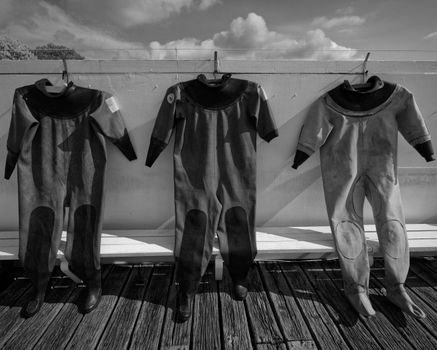
The short list of habits that actually extend wetsuit life: rinsing, drying out of sun, hanging correctly, and avoiding the moves that destroy suits fast.
Interactive helpers that do the math for you.
Xcel Wetsuits: Complete Brand Guide, Lineup & Sizing
Independent guide to Xcel wetsuits: Hawaii heritage, Drylock / Comp X / Infiniti / Axis lineup, TDC thermal lining and Celliant tech, and how Xcel fits.
O'Neill Wetsuits: Complete Brand Guide, Lineup & Sizing
A plain-English guide to O'Neill wetsuits: the Jack O'Neill story, the Hyperfreak / Psycho / Reactor lineup, TechnoButter neoprene, and how O'Neill fits.