
On this page
Wetsuits are expensive. A $400 suit can last five years with good habits, or 18 months with bad ones. The good news: extending a wetsuit’s life doesn’t require expensive products or elaborate routines. It takes about five minutes of attention after each session and a handful of storage decisions you make once.
Key Takeaways
- • Rinse in fresh water after every use, ideally within a few hours.
- • Never dry in direct sunlight. UV destroys neoprene faster than anything else.
- • Hang over a thick bar by the waist, never by the shoulders on a thin hanger.
- • Use wetsuit-specific shampoo, not detergent or dish soap.
After every session: the basics
Three things, every time, as soon as you’re out of the water:
- Rinse with fresh water. Saltwater, chlorine, and lake contaminants all break down neoprene over time. A thorough fresh-water rinse removes them before they do damage. Inside and outside.
- Drain the water. Squeeze excess water out of the torso, arms, and legs. Don’t wring or twist aggressively. Press and roll.
- Hang to dry in the shade. Inside-out first so the interior dries (prevents mildew), then flip right-side-out once the inside is dry to finish the outer.
The rinse is the single most important habit. If you do nothing else on this list, rinse. A wetsuit rinsed after every session will last 2–3x longer than one stored salty.
The UV rule
Never, ever dry a wetsuit in direct sunlight. This is the single biggest mistake you can make. UV breaks down neoprene’s molecular structure, fades the jersey lining, cracks the seam adhesives, and turns pliable rubber brittle. Three hours of aggressive sun exposure can do more damage than three months of normal use.
Dry your suit:
- In a shaded garage, bathroom, or covered outdoor space
- On a covered patio where no direct sun reaches it
- Indoors near an open window for airflow
If you have no shade option, take the wet suit home and dry it indoors. Don’t lay it over the car in the parking lot. Don’t drape it on a fence in the sun while you eat post-surf breakfast. Don’t air-dry it on your boat’s deck. Every hour of sun is accelerated aging.
Hanging: the right way and the wrong way
Wrong: A thin plastic or wire hanger through the neck, with the full weight of a wet wetsuit pulling down on the shoulder seams. This is the classic killer. The shoulders stretch out, the seams stress at the shoulder, and within a season you’ve got a permanent fit problem.
Right: Fold the wetsuit over a thick bar at the waist, so both halves hang equal weight on either side. A wide wooden or plastic pants hanger works. A thick wetsuit-specific hanger works even better. The key is that the weight hangs from the waist, not from the shoulders.
Better still: some wetsuit hangers are designed specifically to hang the suit inside out first, then flip. The idea is to get the interior lining fully dry before the outer, which prevents interior mildew.
Folding wet wetsuits. Especially the crease-under-crease fold. Stresses seams at the crease lines. Don’t store a wet suit folded. If you must travel with it wet, lay it flat with a rolled towel inside and avoid sharp creases.
Washing: when and how
Regular rinsing handles most of the dirt. Dedicated shampoo washes are for:
- Removing accumulated body oils after extended use
- Eliminating any odor buildup
- Deep-cleaning before long-term storage
What to use: Wetsuit-specific shampoo. Brands like Sink the Stink, Rinse Kit Wetsuit Shampoo, and Piss-Off are designed for neoprene. They clean without degrading the rubber or adhesives.
What not to use:
- Regular laundry detergent. Contains enzymes and surfactants that break down neoprene cells over time.
- Dish soap. Too harsh. The same surfactants that cut grease also strip neoprene adhesives.
- Bleach or bleach-containing cleaners. Absolutely not. Destroys neoprene and lining in minutes.
- Fabric softener. Damages the neoprene and leaves residue that won’t fully rinse out.
How to wash:
- Fill a tub or large bucket with lukewarm water (not hot. Hot degrades neoprene).
- Add wetsuit shampoo per the label instructions.
- Submerge the suit. Gently agitate by hand for 3–5 minutes. No wringing, no scrubbing with brushes.
- Pay attention to armpits, neck collar, and crotch. Where oils and sweat accumulate.
- Drain and refill with fresh lukewarm water. Rinse 2–3 times until no soap remains.
- Drain excess, hang properly, dry in shade.
Don’t use a washing machine. Agitation plus detergent plus heat is a fast path to killing a wetsuit.
Long-term storage
If you’re not using a wetsuit for weeks or months (off-season, between trips), follow this sequence:
- Wash the suit fully before storage (see above). A wetsuit stored with sweat and body oil develops odor and can deteriorate faster.
- Dry completely. A damp wetsuit stored in the dark is a mildew factory.
- Store hanging or flat. Never tightly folded. Pre-hung in a closet is best. Flat on a shelf in a loose fold works. Stuffed in a gear bag for six months guarantees damage.
- Cool, dark, and dry. Avoid attics (too hot), basements with humidity, or anywhere with temperature swings. A bedroom closet is usually fine.
- Don’t store near ozone sources. Ozone degrades rubber. That means no storage near electric motors, arc welders, UV sterilizers, or older laser printers. Not an issue for most people, but worth knowing.
What destroys wetsuits fastest (ranked)
Based on our experience and reader reports:
- Direct sunlight exposure. #1 cause of premature death. Avoidable completely.
- Chronic storage while wet. Mildew, adhesive breakdown, liner degradation.
- Washing machine use. Aggressive cycle + hot water + detergent kills neoprene fast.
- Hanger pinch at the shoulders. Slow-motion stretch-out of the neck and shoulder seams.
- Neglecting to rinse after saltwater sessions. Salt crystallizes in the neoprene cells over time.
- Dragging across pavement, sand, or gravel. Abrasion cuts the outer jersey.
- Stuffing into a gear bag wet, for days. Compounds storage-while-wet damage.
- Pulling aggressively on neoprene during donning/doffing. Over-stretches and cracks the material.
- Applying petroleum-based lubricants (Vaseline, baby oil) to ease entry. Destroys neoprene adhesives.
- Storing near ozone sources (electric motors, UV sterilizers).
Routine care checklist
Daily (every use):
- Rinse in fresh water, inside and out
- Hang inside-out on a thick bar in shade
- Flip to outside when interior is dry
Periodic (every 8–12 uses):
- Wash with wetsuit shampoo
- Inspect seams and cuffs for early wear
Seasonally:
- Deep wash before long-term storage
- Check all seams for gaps or delamination
- Inspect the zipper track and slider
For the signs that a wetsuit has reached end-of-life regardless of care, see our how long does a wetsuit last guide. For the construction details that determine how much care affects longevity, see the construction guide.
Specific scenarios
After surfing in polluted water: A longer rinse than usual. Consider a shampoo wash within 24 hours. Polluted water can accelerate seam adhesive breakdown more than clean saltwater.
After diving with a tank: Pay special attention to the spine pad area. Sweat and salt accumulate under the tank. Flip inside out during drying to reach this zone.
After pool swimming: Chlorine is harder on neoprene than saltwater over time. Rinse within a few hours of pool use, not the next day.
Between back-to-back sessions: If you’re doing multiple sessions in a day, a wet suit is fine. If you need to suit up again within 4–6 hours, hang it inside out in a cool spot and it’ll be damp-but-wearable. Premium suits with Flash Lining or similar fast-dry linings genuinely dry between sessions.
Repair vs replace
A small seam leak, a cuff tear, or a minor interior lining delam can be repaired with neoprene cement (Aquaseal NEO, Black Witch, Stormsure). Budget 30 minutes and follow product instructions exactly. Too much adhesive creates stiff patches that fail worse than the original damage.
A wetsuit with multiple failing seams, compressed neoprene (no recoil when stretched), or chronic flush issues is beyond repair. Time to replace.
For the full signal list on end-of-life, our how long does a wetsuit last guide covers the red flags.
Putting it together
Wetsuit care is mostly about two things: rinse after every use, and keep it out of the sun. Everything else is refinement. A suit treated with those two habits will regularly last 2–3 years of regular use; treated without them, it’ll degrade in a season.
If you’ve already been treating your suit badly and it’s showing the signs, the damage is mostly irreversible. But you can still slow further decline. If you’re buying your first suit, set up the habits now. They’re easy once they’re routine.
For the full buying context that determines how much longevity a given suit can deliver, see how to choose a wetsuit. For a matched suit recommendation based on your specific water and use, try the Wetsuit Finder.
Frequently asked
Can I put my wetsuit in the washing machine?
Don't. Agitation and detergent both degrade neoprene. Hand-wash only with wetsuit-specific shampoo in lukewarm water. The washing machine is one of the fastest ways to kill a wetsuit.
Is it OK to dry my wetsuit in direct sunlight?
No. UV is the single biggest enemy of neoprene. Direct sun breaks down the rubber, cracks the seams, and fades the jersey lining. Dry your suit inside out in the shade. A 3-hour session of direct sun is worse than a month of normal wear.
How often should I wash my wetsuit with shampoo?
Rinse with fresh water after every use. Wash with wetsuit shampoo every 8–12 uses, or whenever the suit smells or has obvious buildup. Over-washing isn't harmful, but under-rinsing is.
Can I pee in my wetsuit?
Yes (and most surfers and divers do). Urine is sterile, dilutes quickly in water, and doesn't harm neoprene if you rinse the suit after. What harms the suit is letting a pee-soaked suit sit unrinsed overnight. That's where the odor sets in and bacteria break down the lining.
About The WetsuitCenter Team
Our educational articles are reviewed by longtime surfers, divers, and open-water swimmers on staff. We cross-check technical claims against manufacturer specs and published research.
You might also like
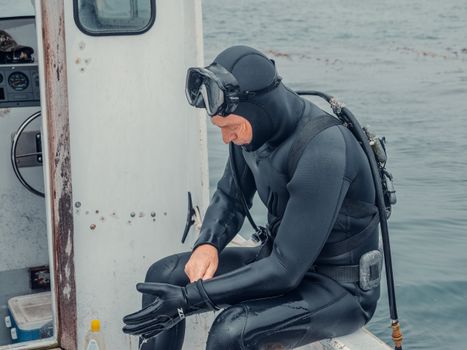
How Long Does a Wetsuit Last? (And How to Make Yours Last Longer)
Realistic wetsuit lifespan ranges by quality tier, usage frequency, and care. Signs your wetsuit is done. Plus the habits that meaningfully extend its life.
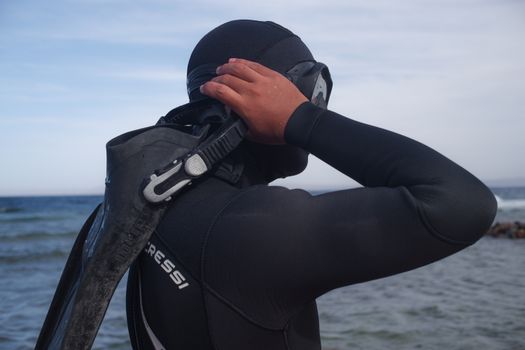
Wetsuit Seams and Construction: Blind Stitch vs Flatlock vs GBS
How wetsuit seams are built and why it matters for warmth. Flatlock, GBS, sealed, and welded seams explained, with guidance on which construction to buy for your water.
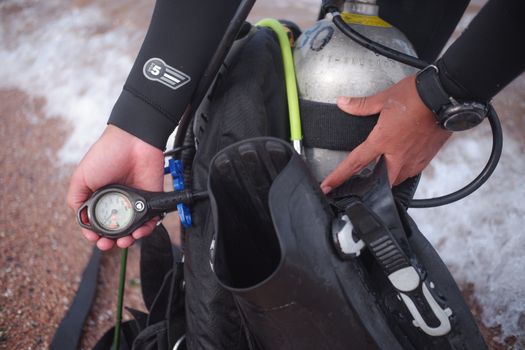
Wetsuit Materials Explained: Neoprene Types, Limestone, and Yamamoto
A plain-English breakdown of wetsuit materials: petroleum and limestone neoprene, Yamamoto grades, Yulex natural rubber, and the linings that affect warmth.