
On this page
- Quick picks
- When you need a cold-water suit
- Best overall: Xcel Drylock 5/4 Hooded
- Best premium warmth: O’Neill Psycho Tech 5/4 Hooded
- Best fast-dry: Rip Curl Flashbomb Heatseeker 5/3 Hooded
- Best eco: Patagonia R4 Yulex
- Best value: Billabong Furnace Absolute 5/4 Hooded
- Best budget: Need Essentials 5/4 Hooded
- Best flex: Isurus Ti-Alpha 5/4 Hooded
- Best regional (West Coast): Buell RB2 5/4 Hooded
- Cold-water accessories checklist
- Comparison table
- How we chose
When water drops below 55°F, the stakes change. A 3/2mm that handled your summer session becomes unwearable. A 4/3mm works for a while but flushes too much on long sessions. You need purpose-built cold-water gear. Thicker neoprene, sealed seams, hoods, and accessories. This guide covers the 5/4mm and 6/5mm suits we recommend for serious cold-water use, plus the accessories that make or break cold-water session quality.
Key Takeaways
- • 5/4mm hooded suits are right for 48–55°F water; 6/5mm for 44–48°F.
- • Seam construction matters as much as thickness. Fully taped seams are non-negotiable below 50°F.
- • Accessories are required, not optional: hood (integrated or separate), 5–7mm booties, 3–5mm gloves.
- • Below 44°F, most surfers are better served by drysuits than by thicker wetsuits.
Quick picks
| Category | Pick | Price |
|---|---|---|
| Best overall | Xcel Drylock 5/4 Hooded | $500–$600 |
| Best premium warmth | O’Neill Psycho Tech 5/4 Hooded | $550–$650 |
| Best fast-dry | Rip Curl Flashbomb Heatseeker 5/3 | $500–$600 |
| Best eco | Patagonia R4 Yulex | $500–$600 |
| Best value | Billabong Furnace Absolute 5/4 | $300–$400 |
| Best budget | Need Essentials 5/4 | $230–$280 |
| Best flex | Isurus Ti-Alpha 5/4 | $550–$700 |
| Best regional (West Coast) | Buell RB2 5/4 | $400–$500 |
For full context on thickness and water temperature, see our temperature guide and thickness guide. For a live recommendation based on your specific water, use the temperature chart.
When you need a cold-water suit
A 5/4mm or 6/5mm hooded wetsuit is overkill for anything above 55°F water. These are specialized tools for specific conditions. You need one when:
- Water temperature regularly sits below 55°F for your primary sessions.
- Session length is 60+ minutes. Sustained cold exposure rather than quick dips.
- Your 4/3 is flushing or no longer keeping you warm through a full session.
- You’re adding hours year-round. Cold-water gear expands your usable season significantly.
A cold-water suit is not a casual purchase. These suits are heavy, stiff-ish, and premium-priced. Buy one when you’re committed to using it.
Best overall: Xcel Drylock 5/4 Hooded
The Xcel Drylock is the suit most cold-water specialists would recommend first. Fully taped seams (inside and out), DrylockCelliant thermal lining across the torso, aggressive cuff seal design, and an attached hood sized for a range of head shapes. It’s the category-defining product in the $500–$600 tier. And for regular 48–55°F surfers, it’s hard to beat on pure performance.
Best premium warmth: O’Neill Psycho Tech 5/4 Hooded
The Psycho Tech uses O’Neill’s Firewall Pro thermal lining. Denser and warmer per square inch than standard Firewall. Paired with Fluid Seam Weld construction and attached hood. The Psycho Tech is focused specifically on maximum thermal retention. Slightly stiffer than the Drylock but measurably warmer in single-session use.
Best fast-dry: Rip Curl Flashbomb Heatseeker 5/3 Hooded
The Flashbomb Heatseeker’s defining feature is the Flash Lining. The fastest-drying thermal lining in the category. For cold-water surfers doing back-to-back sessions or multi-day trips, this is a practical advantage no other brand matches. The 5/3 thickness (5mm torso, 3mm limbs) runs slightly warmer than a standard 5/3mm surf suit because of the sealing.
Best eco: Patagonia R4 Yulex
Patagonia’s R4 is the only serious cold-water suit made from plant-based Yulex natural rubber. 5/4/3mm configuration with attached hood, thermal lining, and Patagonia’s front-zip entry system. Performance is competitive with neoprene competitors; the environmental case is clearer than anything else in this tier. Fair-trade-certified construction adds to the story.
Best value: Billabong Furnace Absolute 5/4 Hooded
Mid-range cold-water suits used to be hard to find. Most options were either sub-$200 compromises or premium-tier $500+. The Billabong Furnace Absolute fills the gap with a 5/4 hooded full suit at $300–$400. GBS seams with full inside taping, mid-tier Japanese neoprene, attached hood. Not premium, but a legitimate cold-water suit at a mid-range price.
Best budget: Need Essentials 5/4 Hooded
Need Essentials ships from Australia and sells direct-to-consumer, which lets them offer legitimate cold-water construction at a price point below most competitors. GBS seams with inside taping, attached hood, basic thermal lining. Not as warm or as durable as premium suits, but a genuine cold-water option at a budget price.
Best flex: Isurus Ti-Alpha 5/4 Hooded
Isurus is a smaller brand that has carved out a reputation for premium flex in cold-water construction. The Ti-Alpha uses Titanium-alpha thermal lining (a variant that claims enhanced IR reflection) and some of the stretchiest neoprene in the cold-water category. For surfers who prioritize paddling mobility over absolute warmth, Isurus is the pick.
Best regional (West Coast): Buell RB2 5/4 Hooded
Buell is a West Coast brand (Santa Cruz-based) that has earned a loyal regional following by making cold-water-specific suits tuned for California conditions. The RB2 5/4 Hooded uses mid-tier premium neoprene and taped seams at a mid-range-plus price. Not as widely distributed as the big brands, but popular with NorCal regulars.
Cold-water accessories checklist
A 5/4 or 6/5 wetsuit alone isn’t enough in truly cold water. Budget for these:
Hood (if not attached):
- Separate hood: $40–$80.
- Look for at least 3mm thickness, with a neck flap that tucks under the suit collar.
Boots:
- 5mm split-toe for 50–58°F water.
- 7mm round-toe for 44–50°F water.
- $70–$150.
Gloves:
- 3mm five-finger for 50–58°F water.
- 5mm mitts or three-finger for 44–50°F water.
- $40–$120.
Additional accessories worth considering:
- Hooded vest worn under the main suit. Adds 5–10°F of effective warmth.
- Neoprene socks under booties for extra ankle warmth.
- Wetsuit change pad / insulated change kit for post-session warmth.
Planning cold-water accessory spend adds $150–$350 to your cold-water setup budget. Worth factoring in from the start.
Comparison table
| Model | Thickness | Seams | Lining | Price |
|---|---|---|---|---|
| Xcel Drylock | 5/4mm | Fully taped | DrylockCelliant | $500–$600 |
| O’Neill Psycho Tech | 5/4mm | Fluid Seam Weld | Firewall Pro | $550–$650 |
| Rip Curl Flashbomb Heatseeker | 5/3mm | E-Stitch + Fluid Seam | Flash Lining | $500–$600 |
| Patagonia R4 Yulex | 5/4/3mm | Sealed front-zip | Yulex thermal | $500–$600 |
| Billabong Furnace Absolute | 5/4mm | GBS + full inside tape | Mid-tier thermal | $300–$400 |
| Need Essentials 5/4 | 5/4mm | GBS + inside tape | Basic thermal | $230–$280 |
| Isurus Ti-Alpha | 5/4mm | Taped + bonded | Titanium-alpha | $550–$700 |
| Buell RB2 | 5/4mm | Taped GBS | Mid-tier thermal | $400–$500 |
How we chose
Cold-water wetsuit selection is more demanding than general wetsuit selection because the margins for error are smaller. Our criteria:
- Thermal performance across a 90-minute session. Not just initial warmth.
- Flush resistance at duck-dive and exit points. The real-world failure mode.
- Hood design and fit. A poorly-fitting hood undermines the whole setup.
- Durability under cold-water beatings. These suits take more abuse than warm-water suits.
- Value against the next tier up. Particularly for sub-$400 picks, where the alternative is often buying a mid-range and replacing it faster.
Several of these suits were tested by our team members through multiple winter seasons. Others were evaluated against those by reviewers familiar with the brands. We bought most of them ourselves at retail. Our editorial policy covers how we handle conflicts.
For a broader framework on thickness and conditions, see how to choose a wetsuit. For a tuned recommendation specific to your water and conditions, run the Wetsuit Finder. For sizing against your measurements, the size calculator supports most of the brands in this guide.
Frequently asked
Do I actually need a hooded wetsuit?
Below 52°F water, almost certainly yes. Heat loss from the head is disproportionately high. You lose 10–15% of body heat through an uncovered head in cold water. A hood is the single highest-leverage accessory for cold-water surfing. Below 48°F, a hood isn't optional.
When is it time to consider a drysuit instead?
Below roughly 44°F water, most surfers are better served by a drysuit. Particularly for longer sessions. A 6/5mm hooded wetsuit works down into the low 40s but limits session length severely. Divers and freedivers sometimes push wetsuits colder with two-piece systems, but for surfing, 44°F is the wetsuit-to-drysuit crossover for most people.
Are premium cold-water suits really worth $500+?
For regular cold-water surfers, yes. A $500 premium 5/4 with fully-taped seams and thermal lining is meaningfully warmer than a $250 mid-range 5/4 at the same thickness. The difference is the finish quality. Seam sealing and lining. Which determines whether you can surf comfortably for 90 minutes or get cold at 45.
Should I own a 5/4 and a 4/3, or just one for all cold weather?
If you're in a region with real seasonal variation (California, UK, Japan), two suits. A 4/3 for fall/spring and a 5/4 for winter. Is the ideal. Each suit is used in its sweet spot. If budget only allows one and your winter water goes below 50°F, buy the 5/4 and layer a neoprene top under it in fall/spring.
About The WetsuitCenter Team
Our buying guides are written and maintained by staff who actually get cold and wet testing this gear: surfers, divers, and open-water swimmers logging real hours across seasons and water temps.
You might also like
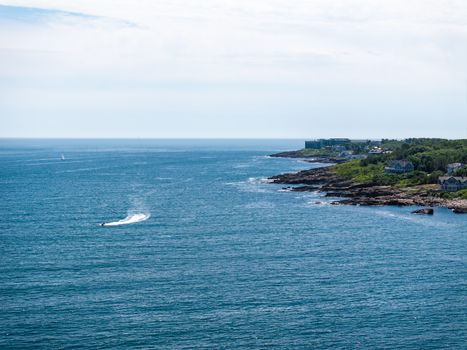
Best Wetsuits for Maine and New England
New England wetsuit picks for Maine, New Hampshire, Massachusetts, and Rhode Island, anchored to NDBC buoy data and the published consensus of regulars.
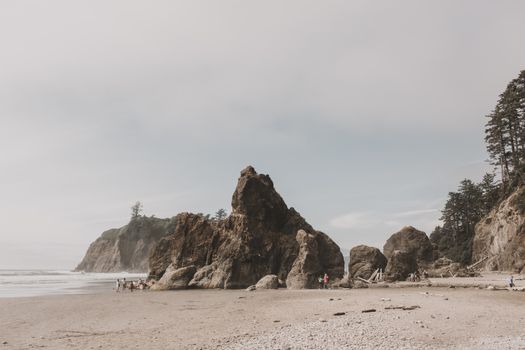
Best Wetsuits for the Washington Coast
Washington wetsuit picks tuned to the cold North Pacific, anchored to NDBC buoy data and firsthand sessions at Westport, La Push, and Hobuck.
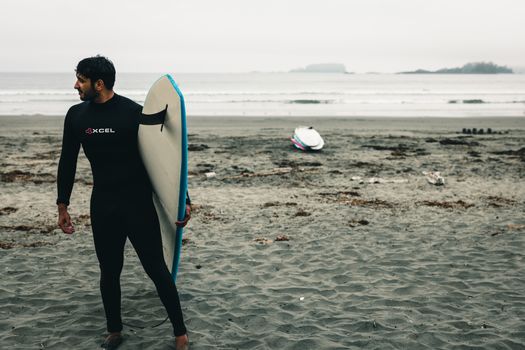
Best Wetsuits for British Columbia and Vancouver Island
BC wetsuit picks anchored to BC Shore Station Oceanographic Program data and firsthand sessions at Tofino and Long Beach in Pacific Rim National Park.