
On this page
- What neoprene actually is
- Petroleum neoprene (the default)
- Limestone neoprene
- Yamamoto: the premium standard
- Yulex and natural rubber
- Lining materials: the inside of the suit
- Nylon jersey
- Thermal plush lining
- Smoothskin
- Graphene thermal
- Windbreaker panels
- How materials affect price
- Red flags on spec sheets
- How construction and material interact
Wetsuit spec sheets are full of material names. Yamamoto #39, Super-Stretch Neoprene, Yulex, Limestone Air-Prene, Thermo-Lining. Much of it is marketing. Some of it is meaningful. This guide separates signal from noise.
Key Takeaways
- • All wetsuit foam is chloroprene rubber (neoprene). Variants differ mainly in the raw feedstock and cell structure.
- • Petroleum neoprene is the legacy standard. Limestone neoprene is a process refinement with slightly better stretch.
- • Yamamoto (Japan) is the most respected premium neoprene manufacturer, graded by number for density and stretch.
- • Yulex is plant-based natural rubber. The strongest current environmental alternative.
- • Linings (thermal plush, jersey, smoothskin) matter almost as much as the core foam for warmth.
What neoprene actually is
Every wetsuit. From the cheapest beginner shorty to the most premium cold-water hooded suit. Is made of the same general family of material: chloroprene rubber, commonly called neoprene. It was developed by DuPont in 1930 as one of the first synthetic rubbers.
What makes neoprene work for wetsuits is its closed-cell foam structure. When chloroprene is foamed (by adding a blowing agent and heating it), it forms millions of tiny gas-filled bubbles. Those bubbles are excellent insulators. Trapping heat and slowing water movement. While the rubber itself gives the material its stretch and resilience.
A single wetsuit panel is foamed neoprene, laminated between thin fabric liners (usually nylon jersey on one or both sides), and shaped into the required thickness and curve. The quality differences between cheap and premium suits come down to:
- The source of the chloroprene (petroleum vs limestone vs natural rubber)
- The manufacturing quality (cell uniformity, density control)
- The lamination (what fabrics bond to the foam, and how well)
- The lining (what sits against your skin)
Our thickness guide covers how the foamed thickness relates to water temperature. This article focuses on the material choices themselves.
Petroleum neoprene (the default)
Historically, nearly all wetsuit neoprene has been made from chloroprene derived from petroleum. The chemistry starts with butadiene, a byproduct of oil refining, which is polymerized into chloroprene and then foamed.
Petroleum neoprene is:
- Cheap to produce at scale
- Well-understood after 90+ years of refinement
- Good enough for most wetsuits at budget and mid-range price points
- Not particularly eco-friendly. Tied to fossil fuel extraction and significant process emissions
Most wetsuits in the $100–$300 range use petroleum neoprene, sometimes with brand-specific marketing names like Air-Prene, Ultra-Stretch, or Super-Flex. These terms are largely branding. The underlying material is the same family.
Limestone neoprene
In the 1950s, Japanese chemical companies developed a process to derive chloroprene from calcium carbonate (limestone) instead of petroleum. The end material is still chloroprene rubber. Chemically identical to petroleum-sourced neoprene. But the manufacturing process yields slightly different cell characteristics:
- Finer, more uniform cell structure → marginally better stretch and rebound
- Slightly better warmth per millimeter → not a huge difference, but measurable
- Lower moisture absorption → dries slightly faster
Limestone neoprene is mid-to-premium-tier. Yamamoto (Japan) is the most well-known limestone producer, but other manufacturers also offer limestone-based foams. Brands often market it as “eco” or “green” neoprene. And while it is a real improvement over petroleum, the environmental case is overstated. Limestone is mined, the conversion to chloroprene is still energy-intensive, and the overall product is still a synthetic rubber. It’s better than petroleum. It’s not natural rubber.
Yamamoto: the premium standard
Yamamoto Corporation is a Japanese neoprene manufacturer with a specific role in the market: they produce what most of the wetsuit industry considers the highest-quality limestone neoprene available. Their material shows up in premium surfing suits, triathlon suits, and specialty wetsuits across multiple brands.
Yamamoto grades their material by number. Roughly correlating to softness and stretch:
| Grade | Character | Typical use |
|---|---|---|
| #38 and lower | Dense, stiff, durable | Diving, heavy-use wetsuits |
| #39 | Stretchy, moderately soft | Premium surfing suits |
| #40 | Very stretchy, soft | Top-tier surfing, triathlon |
| #45 | Extreme stretch (limited durability) | High-end competition suits |
#39 is the workhorse of premium surfing wetsuits. Enough flex for unrestricted paddling, enough durability for real-world use. #40 appears in top-tier models where flex trumps longevity. Lower-numbered grades show up in diving suits where durability matters more than shoulder flex.
Seeing “Yamamoto #39” on a spec sheet tells you two things: the neoprene is premium-tier, and the brand cares enough about transparency to name it. Both are green flags.
Yulex and natural rubber
Yulex is the branded name for FSC-certified natural rubber used in Patagonia’s current wetsuit line and a few other brands. The rubber is sourced from the hevea tree (a renewable tropical plant) rather than petroleum or limestone.
The environmental case for Yulex is substantially stronger than limestone:
- Renewable source (trees, not mined or extracted)
- Lower carbon intensity in production
- Solvent-free bonding in most Yulex suits
- Traceable supply chain (FSC certification)
The practical performance:
- Warmth: comparable to standard neoprene at equivalent thicknesses.
- Durability: competitive; Yulex suits hold up well with proper care.
- Flex: slightly stiffer than the highest-grade limestone neoprene (Yamamoto #39/#40). Not noticeable in a 4/3, mildly noticeable in a premium 3/2.
- Price: carries a premium, though the gap has narrowed as production scales.
Patagonia is the most prominent Yulex user. Other brands have experimented with natural rubber formulations. Check the spec sheet for specifics. For a broader discussion of material choices when eco-impact matters to you, browse our brand profiles: each notes the brand’s current material mix.
Lining materials: the inside of the suit
What sits against your skin matters. A premium neoprene with a cheap lining is a lesser suit. Here’s what you’ll see:
Nylon jersey
The standard interior lining. Thin, stretchy, durable. Most budget and mid-range suits use jersey throughout. It doesn’t actively warm you. It just covers the neoprene and smooths the interior surface.
Thermal plush lining
A brushed fleece-like fabric bonded to the inside of the neoprene. Traps a layer of warm air next to the skin, dramatically improving warmth and recovery after flushing. Premium suits use thermal plush in the torso (where warmth matters most) and often in the front of the thighs. Cheap suits skip it entirely. This is one of the most meaningful warmth upgrades you can get.
Brand names vary: TechnoButter, Thermo-Lining, E5 Lining, Fire-Lining, Graphene Thermal. All similar technology, different marketing. The pattern: if a mid-range suit markets a thermal lining, check whether it covers the whole torso (good) or just a small chest panel (cosmetic).
Smoothskin
A layer of smooth, rubberized neoprene. No fabric laminate on the outside. Wind and water slide off it quickly. Used most often on chest and back panels of triathlon suits (for faster swimming) and on the outer face of premium cold-water surf suits (to reduce wind chill). Downside: smoothskin is less abrasion-resistant than jerseyed neoprene. Tears more easily.
Graphene thermal
A newer category. Graphene-infused thermal linings that claim enhanced heat distribution. Isurus and a few other brands use variants. The claims are real but modest. Noticeable in cold water, less noticeable above 60°F.
Windbreaker panels
Premium cold-water suits sometimes add a wind-blocking panel across the chest or back. A smoothskin section specifically for wind resistance during paddling or surface diving. Useful in offshore wind zones, less meaningful in still-water conditions.
How materials affect price
| Price tier | Typical material mix |
|---|---|
| Under $150 | Petroleum neoprene, nylon jersey lining, flatlock or basic GBS seams |
| $150–$300 | Petroleum or entry-level limestone neoprene, some thermal lining, GBS seams |
| $300–$500 | Limestone neoprene (often named, e.g. Yamamoto #39), thermal plush in torso, sealed seams |
| $500+ | Top-grade Yamamoto or Yulex, full thermal interior, bonded seams, premium construction throughout |
A suit can have premium material in the torso and cheaper material in the limbs. Brands often compose panels this way to hit a price point. The spec sheet usually names the premium material and is silent on the rest.
Red flags on spec sheets
- “Proprietary neoprene” with no details. Usually means petroleum-sourced generic foam with a marketing name.
- “Limestone” with no grade. Could be entry-level or top-grade. Ask.
- “Yulex-blend” without percentages. Some brands mix natural rubber with synthetic; the blend ratio matters.
- No mention of lining. Probably jersey-only inside. Fine for warm water; a liability in cold.
- Premium material claims at budget price. The high-end materials are expensive. A $99 “Yamamoto neoprene” suit is almost certainly using a small amount in a specific panel.
How construction and material interact
Material choice determines the theoretical ceiling of a suit’s performance. Construction. Seams, panel layout, entry system. Determines how close the suit gets to that ceiling. A premium-material suit with sloppy construction will underperform a well-built mid-range suit with standard material.
For the seams side of the equation, see our construction and seams guide. For the full material-plus-construction picture in specific buying scenarios, the complete guide to choosing a wetsuit ties it all together.
If you’re comparing specific suits and want a shortcut, our Wetsuit Finder tool narrows the field based on your use case, and each recommendation links back to the brand’s own spec sheet where you can check material claims directly.
Frequently asked
Is limestone neoprene really eco-friendly?
It's marginally better than petroleum neoprene, not dramatically so. Limestone is still processed with significant energy use, and the end product still uses synthetic rubber adhesives. Yulex (natural rubber) has a substantially stronger environmental case. Limestone is a real improvement, but the 'eco' framing in marketing materials tends to overstate it.
What does Yamamoto #39 mean?
Yamamoto Corporation grades its neoprene by stretch and density. #39 is among their most flexible grades. Used primarily in premium surfing wetsuits for maximum shoulder range. #40 is slightly softer and stretchier still. Lower numbers indicate denser, less-stretchy neoprene used in diving and general-purpose suits.
Does the lining really matter?
Yes, a lot. A thermal plush lining traps a layer of warm air against your skin and recovers warmth quickly after a cold flush. A suit with premium neoprene and a jersey-only lining will feel noticeably cooler than the same thickness with a thermal lining. The lining is one of the most underrated warmth variables.
Is there a difference between 'Yulex' and 'natural rubber'?
Yulex is a specific branded product. A natural rubber source that's FSC-certified and uses a cleaner manufacturing process. Generic 'natural rubber' may come from less-regulated sources. Patagonia's current wetsuits use Yulex; other brands occasionally use other natural rubbers without the certification.
About The WetsuitCenter Team
Our educational articles are reviewed by longtime surfers, divers, and open-water swimmers on staff. We cross-check technical claims against manufacturer specs and published research.
You might also like
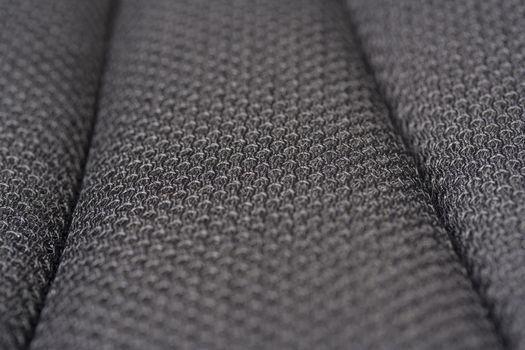
Yulex vs Limestone Neoprene: Material Comparison
Yulex vs limestone neoprene compared on warmth, stretch, durability, and environmental impact. Which premium rubber is right for your wetsuit?

Yamamoto Neoprene Explained: Grades 38, 39, and 40
Yamamoto's calcium-carbonate neoprene grades 38, 39, and 40 explained. How Japan's limestone-based rubber became the premium standard for wetsuits.
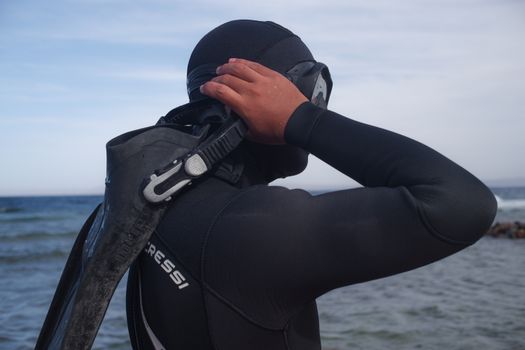
Wetsuit Seams and Construction: Blind Stitch vs Flatlock vs GBS
How wetsuit seams are built and why it matters for warmth. Flatlock, GBS, sealed, and welded seams explained, with guidance on which construction to buy for your water.