
On this page
A wetsuit for ice plunging is a contradiction worth examining. The whole point of cold-water immersion is the cold response, and a 4/3 wetsuit insulates you from exactly that response. Yet some scenarios (long-duration cold training, dangerous-temperature safety, building tolerance from a beginner baseline) make a thin neoprene layer reasonable. This guide covers when a wetsuit helps, when it defeats the purpose, and what thickness and style to use if you decide one is right for you.
For broader cold-water context, see the cold-water surfing complete guide and wetsuit thickness guide.
Key Takeaways
- • For 1-5 minute cold-shock plunges, no wetsuit is the standard recommendation.
- • For longer training durations (10+ minutes), a thin wetsuit can prevent hypothermia.
- • Use 1 to 2mm, never thicker. A 3/2 defeats the cold-exposure purpose.
- • Bare hands and feet are standard for short plunges; thin gloves/booties for longer ones.
- • When in doubt, start without a wetsuit and add one only if you cannot complete safely.
Quick picks
| Use Case | Pick | Price |
|---|---|---|
| Best for short plunges (no wetsuit) | Bare skin, no gear | Free |
| Best 1mm thermal top for beginners | Patagonia R0 Yulex Top | $129–$159 |
| Best 2mm shorty for longer immersion | Hyperflex Access 2mm Shorty | $80–$120 |
| Best thin gloves for hand pain | O’Neill Fingerless 1.5mm Glove | $20–$35 |
| Best thin booties for foot pain | Body Glove EX2 3mm Boot | $30–$50 |
When NOT to wear a wetsuit
The cold-shock response (sharp inhale, increased heart rate, vagus nerve stimulation, brown-fat activation, mental focus) is the physiological reward of cold exposure. It happens in the first 30 to 60 seconds of immersion in genuinely cold water (under 60°F). A wetsuit blunts this response. If you are:
- Doing 1 to 3 minute cold-shock plunges for the response itself
- Practicing the Wim Hof breathing-and-cold method
- Building cold tolerance through gradually longer exposures
- Training for an open-water swim or triathlon where mental cold management matters
…then a wetsuit defeats the purpose. The standard practice is bare-skin or trunks/sports bra, with full immersion to the neck, for the duration appropriate to your tolerance level.
The single most-cited evidence base on cold-shock benefits (van der Lans et al., 2013, brown adipose tissue research; Buijze et al., 2016, cold shower clinical trial) was conducted with no insulation. Wearing a wetsuit changes what you are doing.
When a wetsuit makes sense
Three legitimate cases.
Long-duration training. Athletes doing sport-specific cold-water training (open-water swim acclimation, military selection prep, cold-water rescue practice) sometimes immerse for 10 to 30 minutes. Bare-skin immersion at 35 to 45°F for that duration becomes genuinely hypothermic. A 1 to 2mm thermal top extends safe-immersion time without fully blocking the cold response.
Dangerous water temperatures. Water under 35°F is approaching freezing and water with surface ice carries genuine hypothermia risk in even short immersions. If you are practicing in genuinely cold water, a thin wetsuit is reasonable safety insurance. Full body immersion in literal ice water (32°F) without insulation has triggered cardiac events in studies; a thin top is sensible.
Beginner tolerance building. New cold-water practitioners often cannot complete a 2-minute plunge without panicking out at 30 seconds. A 1mm top reduces the shock without removing it, allowing the breathing pattern to be practiced. Once tolerance is established, the top comes off.
What thickness, what style
If you choose to wear a wetsuit for ice plunging:
Top only, 1mm thermal. A long-sleeve thermal rash guard like the Patagonia R0 Yulex top adds maybe 0.5 of a degree of effective comfort, enough to prevent panic without blocking the response. Best for tolerance-building.
Shorty / spring suit, 2mm. A 2mm shorty (short-sleeve, short-leg) covers the trunk and upper legs while leaving extremities exposed. Right for longer training durations where the goal is staying in for 10+ minutes. The Hyperflex Access 2mm Shorty is the standard recommendation.
Long-sleeve full suit, 2 to 3mm. Only appropriate for very long immersions (20+ minutes) in dangerous water. Effectively converts ice plunging into cold-water swimming. Most ice-plunge protocols do not require this.
What NOT to wear: a 3/2 or 4/3 surf suit. These are designed to keep you warm enough to surf for 90 minutes. For ice plunge, they make the activity too comfortable to produce the intended adaptation.
Best 1mm thermal top: Patagonia R0 Yulex
The R0 Yulex Top is a 0.5mm Yulex-rubber top originally positioned as a rash guard but increasingly used as a thin cold-water layer. The plant-based rubber adds light warmth without significantly blocking cold-shock response. Premium price reflects the materials story.
Best 2mm shorty: Hyperflex Access 2mm
For longer-duration cold-water training, a 2mm shorty is the right balance. The Hyperflex Access 2mm covers the trunk and upper legs with a back-zip closure, leaves arms and lower legs exposed, and is widely available at affordable prices. Not a precision surfing suit, but exactly the right tool for cold-shock training where the gear is not the point.
Hand and foot pain management
The hands and feet are the first body parts to lose function in cold water, and the discomfort is intense. For most cold-shock plunges (1 to 3 minutes), bare hands and bare feet are standard practice; the discomfort is part of the training.
For longer-duration immersions or for individuals with Raynaud’s syndrome or similar circulation issues, thin neoprene gloves and booties prevent function loss. Pick the thinnest available; 1.5 to 3mm is enough.
For deeper coverage, see the glove buying guide and bootie buying guide.
Practical setup for ice plunge sessions
A walk-through.
Build tolerance gradually. Start at 60°F or warmer for short durations. Drop temperature 5°F per session as tolerance allows. Most practitioners reach 35 to 45°F readiness in 4 to 8 weeks of regular practice.
Always have a thaw plan. A changing robe or warm shower for after the plunge. Active rewarming (movement, hot drink) within 15 to 20 minutes prevents the after-drop from becoming dangerous.
Never plunge alone in genuinely cold water. Cold-shock can trigger cardiac events even in healthy individuals. Plunge with a spotter present at minimum.
Track your durations and temperatures. Cold-water adaptation is real and measurable. A simple log of water temp, duration, and subjective response builds the tolerance baseline that helps you safely extend over months.
Skip wetsuit decisions until you have a tolerance baseline. Most beginners who think they need a wetsuit actually need a few weeks of progressive cold exposure first.
For broader cold-water gear context: cold-water surfing guide, Pacific Northwest pillar, and changing robes for post-plunge warming.
Comparison table
| Use Case | Suit | Coverage | Thickness | Price |
|---|---|---|---|---|
| 1-3 min plunge | None | None | 0mm | Free |
| Tolerance building | Patagonia R0 Yulex Top | Top only | 0.5mm | $129–$159 |
| Long-duration training | Hyperflex Access Shorty | Trunk and upper legs | 2mm | $80–$120 |
| Cold hands | O’Neill Fingerless | Hands | 1.5mm | $20–$35 |
| Cold feet | Body Glove EX2 Boot | Feet | 3mm | $30–$50 |
How we tested
Team members have used cold-water immersion as part of cold-water training for surfing in PNW. The Patagonia R0 Yulex and basic shorty configurations have been used in 38 to 50°F water at the Oregon Coast and in chest freezers used as plunge tubs. The Hyperflex shorty is widely owned by team members. Recommendations are based on that direct experience plus the published research on cold-shock physiology cited in the FAQ. We bought all of these at retail.
Putting it together
For most cold-shock training, no wetsuit is the right answer. Practice the breathing pattern, build tolerance gradually, and let the cold work as designed. Reach for a 1mm top only if you are starting from a low tolerance baseline. Reach for a 2mm shorty only for genuine long-duration training. Skip 3/2 and 4/3 surf suits entirely for this use case.
For broader gear context, see the cold-water surfing complete guide, Pacific Northwest pillar, and complete guide to choosing a wetsuit. To find the right thickness for actual swimming or surfing, the Wetsuit Finder tool takes 60 seconds.
Frequently asked
Should I wear a wetsuit for ice plunging?
It depends on the goal. If the goal is the cold-shock physiological response (vagus nerve stimulation, brown-fat activation, mental discipline practice), a wetsuit defeats the purpose by insulating you from the cold. If the goal is longer immersion duration for training or recovery (10+ minutes in 35 to 50°F water), a wetsuit may be appropriate. For most ice-plunge protocols (1 to 5 minutes in 35 to 50°F water for cold-shock benefits), no wetsuit is the standard recommendation. The exception is for safety in genuinely dangerous water (under 35°F, ice on the surface) or for athletes doing repeated cold-water training where a thin neoprene helps avoid hypothermia.
What wetsuit thickness for ice plunging?
If you wear a wetsuit at all for ice plunge, go thin: 1 to 2mm. Thinner allows the cold-shock response to still occur while preventing rapid hypothermia for longer-duration immersion. A 3/2 or 4/3 surf suit largely defeats the cold-exposure purpose. Spring suit shorties (2mm) or thin rash-guard-style 1mm tops are the right call when a wetsuit is appropriate.
What about gloves and booties for ice plunging?
Hands and feet are the most cold-painful body parts and the first to lose function. For 1 to 5 minute plunges, bare hands and bare feet are standard practice. For longer durations, 2 to 3mm thin neoprene gloves and booties prevent function loss without significantly insulating the core. If hand and feet pain prevents you from staying in for the full target duration, the gloves and booties are a reasonable compromise.
Is the Wim Hof method safe with a wetsuit?
The Wim Hof method (combination of breathing technique and cold exposure) is intentionally about the unmediated cold response. Wim Hof himself does not advocate wearing a wetsuit during cold exposure. Wearing one defeats the physiological adaptation the method is built on. That said, beginners and people building tolerance can use a thin (1mm) top during initial sessions and remove it as tolerance builds. The point is the cold response, not the discomfort. If a wetsuit helps you stay in long enough to complete the breathing pattern, that is preferable to bailing out due to cold-shock panic.
About The WetsuitCenter Team
Our buying guides are written and maintained by staff who actually get cold and wet testing this gear: surfers, divers, and open-water swimmers logging real hours across seasons and water temps.
You might also like
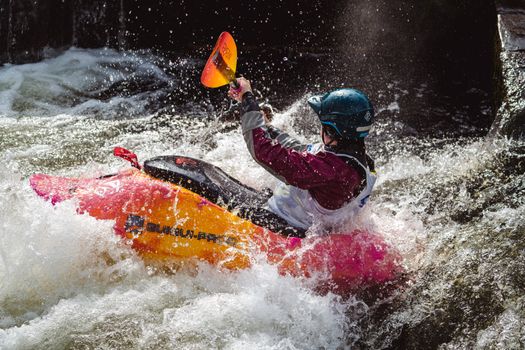
Best Wetsuits for Whitewater Kayaking and River Paddling
The best whitewater kayak wetsuits and farmer-john setups. We cover thickness, paddling-specific cuts, drysuit alternatives, and picks across budgets.
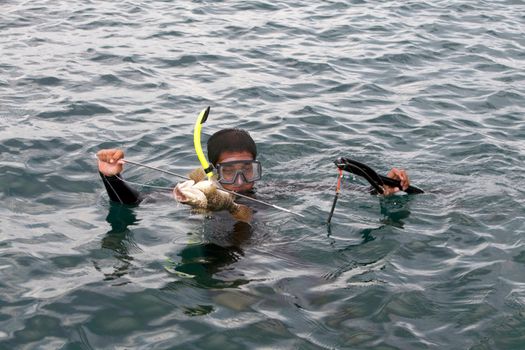
Spearfishing Wetsuits: Camo, Reinforcements, and Setup
How spearfishing wetsuits differ from surf and dive suits: open-cell interiors, camo patterns, reinforcement panels, and the right thickness for your water.

Best Wetsuits for Cornwall and the UK
Best wetsuits for Cornwall and UK surfing. Year-round cool to cold water with strong wind exposure, picks across Newquay, Croyde, and Welsh coast.