
On this page
- How each option works
- Trunks (and rash guard)
- Spring suit / shorty
- Full wetsuit (3/2 or 4/3)
- Temperature thresholds
- Decision factors beyond water temperature
- Air temperature
- Wind exposure
- Session length
- Sun exposure
- Owning more than one
- When trunks are wrong even in warm water
- When a full suit is wrong even in cool water
- How to know if you’re wrong
- Putting it together
- Sources cited
When water rides between 65 and 80°F, the gear decision splits three ways: full wetsuit, spring suit (or shorty), or trunks. Wetsuit vs spring suit vs trunks is the warm-water question that most warm-coast surfers face every shoulder season. This guide names the temperature thresholds where each option earns its spot, the trade-offs across body coverage and bulk, and how to think about owning more than one.
For broader warm-water context, see our summer spring suit and shorty picks and 3/2 vs 4/3 comparison.
Key Takeaways
- • Trunks: above 75°F water for shorter sessions.
- • Spring suit / shorty: 65 to 75°F water.
- • Full wetsuit (3/2 or 4/3): below 65°F water.
- • Personal cold tolerance shifts thresholds by 3 to 5°F either direction.
- • Long sessions and windy conditions push toward thicker coverage.
How each option works
Trunks (and rash guard)
The minimal surf kit. Board shorts plus optional UPF rash guard. No thermal coverage; you rely on the water and air being warm enough for direct skin contact. Used for sessions where the water is warm enough that thermal protection isn’t needed and the priority is freedom of movement.
Pros: lightest, freest, fastest dry, cheapest.
Cons: zero thermal buffer; if the water is colder than you expected, sessions get short.
Spring suit / shorty
A 1.5 to 2mm wetsuit with reduced coverage: short legs, short or full sleeves. Covers the trunk where most heat loss happens; leaves arms and lower legs free. Used for moderate water temperatures where a full suit would overheat but trunks would chill.
Pros: trunk coverage where it matters most; reasonable flexibility.
Cons: arms and legs unprotected from cold water and sun; not warm enough for genuinely cold water.
Full wetsuit (3/2 or 4/3)
Full-coverage suit with full sleeves and full legs. Covers everything except hands, feet, neck, and face. Used for cooler water where the spring suit isn’t enough.
Pros: maximum thermal coverage; warmth-retention design.
Cons: less flexible; heavier when wet; longer dry time; less comfortable in hot air.
For deeper full-suit thickness comparison, see 3/2 vs 4/3 wetsuits.
Temperature thresholds
Approximate thresholds for typical surfers:
| Water Temp | Air | Session Length | Best Pick |
|---|---|---|---|
| 80°F+ | Hot | Any | Trunks + rash guard |
| 75 to 80°F | Warm | Under 90 min | Trunks + rash guard |
| 75 to 80°F | Warm | Over 90 min | 2mm shorty (extends comfort) |
| 70 to 75°F | Variable | Any | 2mm shorty or spring suit |
| 65 to 70°F | Variable | Any | 2mm spring suit or thin 3/2 |
| 60 to 65°F | Variable | Any | 3/2 full suit |
| Below 60°F | Variable | Any | 4/3 or thicker |
Personal cold tolerance shifts these by 3 to 5°F. Cold-tolerant surfers run thinner; cold-sensitive surfers run thicker.
Decision factors beyond water temperature
Air temperature
A 70°F water session in 65°F windy weather is colder than the same water on an 85°F still day. Plan thickness around your typical conditions, not just water temp. Shoulder-season surfers in cool-but-sunny climates often need slightly more coverage than the water alone would suggest.
Wind exposure
Wind dramatically increases heat loss in any wet garment. Standing on a paddleboard in 15 mph wind, even with warm 75°F water, can chill you faster than the temperature numbers suggest. SUP riders, kitesurfers, and any wind-exposed water-sport user should lean one step thicker than pure surf-temperature would indicate.
Session length
A 30-minute session in 70°F water in trunks is comfortable. A 3-hour session in the same water and trunks gets cold. Long sessions push toward more coverage.
Sun exposure
UPF protection from sun is independent of thermal protection from cold. A long-sleeve rash guard solves the sun problem for warm-water surfers; the wetsuit kit beneath that depends on cold-water needs.
Owning more than one
For surfers in seasonal climates with significant temperature variation, owning multiple options is the practical answer:
Year-round Hawaii or tropical-only: rash guard + trunks. One kit covers the year.
Year-round Southern California: rash guard + 2mm shorty + 3/2 full suit. Three options cover the typical 60 to 75°F range across the year.
Year-round Northern California / Pacific Northwest: 4/3 + 5/4 hooded. Cool water year-round, no real warm-water option needed.
Year-round Mid-Atlantic / Northeast: 2mm shorty + 3/2 + 4/3 + 5/4 hooded. Wide seasonal swing demands wide gear range.
For region-specific guidance: best wetsuits for Hawaii, best wetsuits for Florida, best wetsuits for the Carolinas, best wetsuits for San Diego and Southern California.
When trunks are wrong even in warm water
Three scenarios where trunks alone don’t cut it even in tropical conditions:
1. Long sun-exposed sessions. UPF rash guard becomes essential regardless of water temp.
2. Stinger zones. Jellyfish, sea lice, and stinging algae blooms in some tropical waters call for skin coverage. A long-sleeve rash guard plus thin leg coverage handles most.
3. Reef-cut zones. Sharp reef and rock at popular tropical breaks (Salsa Brava, Cloudbreak, Pavones) call for thin protective coverage.
For each: a long-sleeve UPF rash guard plus board shorts (and reef booties for the sharp-rock spots) is the kit. The wetsuit equation doesn’t change; the sun and sting equation does.
When a full suit is wrong even in cool water
Three scenarios where a full suit is overkill for cool-water:
1. Hot air, cool water. Tropical pre-storm sessions where water is 68°F but air is 85°F can be more comfortable in a 2mm shorty than a 3/2.
2. Short, intense sessions. A 20-minute high-performance session in 65°F water can be comfortable in a 2mm spring suit. The full suit’s bulk slows you down for short sessions.
3. Boat-and-water-and-back movement. Snorkeling and diving from a boat in 70°F water in shorter increments often works in a shorty that’s easier to don and doff than a full suit.
How to know if you’re wrong
Three signals you bought too much suit:
- Overheating mid-session (sweating heavily, dizzy)
- Wishing you were in less rubber 5 minutes after entering the water
- Not enjoying the session because of bulk
Three signals you bought too little suit:
- Cold beyond 5 to 10 minute warmup
- Cutting sessions short due to cold rather than tide or surf
- Reluctant to enter the water
For most surfers, the right pick is the one that gets you through your typical session without strong “too hot” or “too cold” feelings.
Putting it together
The warm-water decision tree:
- What’s the typical water temp? Use that to pick the thickness ladder.
- What’s the typical session length? Long sessions push toward thicker.
- What’s the air and wind doing? Cool air or windy conditions push toward thicker.
- What’s your cold tolerance? Calibrate from the baseline.
For most warm-water surfers, owning a rash guard plus a 2mm shorty plus a 3/2 covers the range from tropical to cool-spring conditions. Skip the full 4/3 unless you’re regularly in 55 to 62°F water.
For broader gear context: summer spring suit picks, 3/2 vs 4/3 comparison, wetsuit thickness guide, rash guard buying guide, best wetsuits for Hawaii, best wetsuits for Florida, best surfing wetsuits, O’Neill brand guide. For thickness selection, the Wetsuit Finder tool takes 60 seconds.
Sources cited
- Surfer Today. Different Types of Wetsuits. Industry overview covering thickness and seasonal use.
- O’Neill. O’Neill thickness guide. Manufacturer-published thickness recommendations.
- Surfline. Surfline water temperature data. Daily water-temperature reference across global surf zones.
Frequently asked
What's the difference between a spring suit and a shorty?
Terminology overlaps. Spring suits typically have full-length sleeves but cut-off legs (or vice versa) for shoulder-season use. Shorties have short sleeves and short legs for the warmest conditions. Brands use the terms inconsistently. Functionally: shorty for hot summer water (70 to 75°F), spring suit for cooler shoulder-season water (62 to 70°F), full suit for cooler still.
When should I switch from trunks to a wetsuit?
When the water consistently dips below 75°F for sessions you actually do. The threshold is personal. Some surfers stay in trunks down to 70°F; others reach for a 2mm shorty as soon as water drops below 78°F. Air temperature, wind, and session length all matter. A 70°F water session in 60°F windy weather is colder than the same water on an 80°F still day.
Are trunks really enough above 75°F?
For shorter sessions and warmer conditions, yes. Above 78°F water with calm conditions, even multi-hour sessions are comfortable in trunks for most surfers. The exception: long sun-exposed sessions where UPF protection from a long-sleeve rash guard becomes important regardless of water temp. The rash-guard-and-trunks combo is the warm-water standard for serious tropical surfers.
Are spring suits worth buying separately or just go full-suit?
If your water swings between 62 and 70°F across the year, owning both a 3/2 full suit and a 2mm spring suit is more comfortable than trying to use one suit across the range. The spring suit handles the warm shoulder weeks where a 3/2 overheats; the 3/2 handles the cool weeks where a spring suit is too thin. For year-round users in this temperature band, owning both pays off. For year-round users in stable temperatures (above 70 or below 60 consistently), one suit is enough.
About The WetsuitCenter Team
Head-to-head comparisons pair hands-on testing with published specs so you can see real differences instead of marketing copy.
You might also like
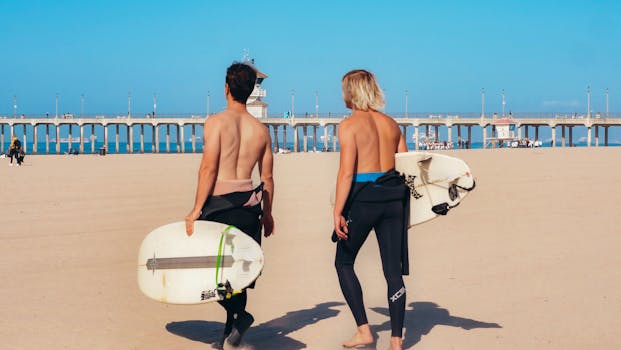
Premium vs Budget Wetsuits: What $300 More Buys You
Premium vs budget wetsuits compared. What you actually get for $400 over $150 across neoprene grade, seams, thermal lining, and lifespan.
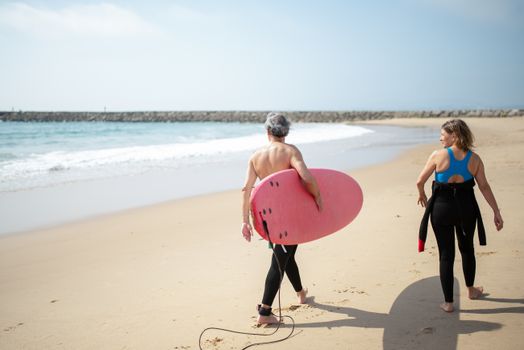
Full Suit vs Spring Suit vs Shorty: Picking the Right Wetsuit Style
What full suits, spring suits, and shorties actually cover, when to wear each, and how to match the style to your activity and water temperature.
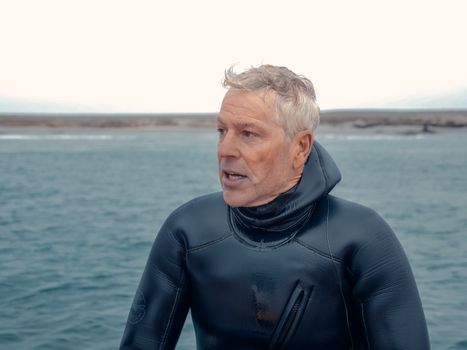
Hooded vs Hood-Optional Wetsuits: Cold-Water Comparison
Hooded vs hood-optional wetsuits compared. When integrated hoods win, when separate hoods are better, and the real warmth and flexibility differences.