On this page
The cold-water thickness decision usually comes down to 4/3 vs 5/4, with the threshold around 53°F water. Above that, a 4/3 (especially hooded with thermal lining) covers most needs. Below that, the 5/4 earns its bulk and weight. This guide compares the two thicknesses head-to-head and names the temperature thresholds where each excels.
For broader thickness context, see our 3/2 vs 4/3 comparison and wetsuit thickness guide.
Key Takeaways
- • 53°F is the threshold where most users transition from 4/3 to 5/4.
- • 4/3 hooded with thermal lining approaches 5/4 warmth without the bulk.
- • 5/4 wins clearly below 53°F or for long sessions.
- • Hood matters as much as thickness for genuine cold-water comfort.
- • Multi-suit cold-water kit: own both for maximum range.
What the numbers mean
A 4/3 wetsuit:
- 4mm at the chest, back, abdomen
- 3mm at the sleeves and lower legs
- Knees often 4 to 5mm reinforcement
A 5/4 wetsuit:
- 5mm at the chest, back, abdomen
- 4mm at the sleeves and lower legs
- Knees often 5 to 6mm reinforcement
Roughly 25 percent more rubber by volume in the 5/4 vs 4/3. The thicker body panels deliver more warmth in the heat-loss zones; the thicker extremity panels add some extremity warmth at the cost of flexibility.
For background: Yamamoto neoprene grades, seam types explained.
Warmth comparison
The 5/4 is meaningfully warmer than the 4/3 at the same conditions. Approximate effective comfort:
- About 4 to 6°F of effective comfort difference in steady-state cold water
- Roughly 25 to 30 percent slower body cooling during a session
- Faster post-flush warmup
In practical terms: if you’re cold in a 4/3 at 50°F, a 5/4 at the same conditions feels warm. If you’re warm in a 5/4 at 60°F, you’ll be slightly too warm.
The overlap zone (50 to 56°F) is where personal preference and session duration matter most. Cold-tolerant surfers run 4/3 hooded into this range; cold-sensitive surfers prefer 5/4 hooded.
Flexibility comparison
The 4/3 wins clearly on flexibility. The thinner sleeves (3mm vs 4mm) deliver more shoulder freedom. Long sessions in a 4/3 fatigue the shoulders less than long sessions in a 5/4.
The flexibility difference is most noticeable in the first 30 minutes of a session before muscles warm up. After that, both suits feel comfortable enough that flex matters less to most surfers.
Weight when wet
A wet 4/3 in size large weighs about 5 to 6.5 pounds. A wet 5/4 in the same size weighs about 6.5 to 8 pounds. The 25 to 35 percent weight increase is noticeable when paddling through whitewater or carrying gear to the beach.
Cost comparison
For equivalent build quality (same brand, same construction tier), a 5/4 typically costs $50 to $100 more than a 4/3:
- O’Neill Hyperfreak 4/3: ~$369; Hyperfreak 5/4 hooded: ~$469
- O’Neill Psycho Tech 4/3: ~$469; Psycho Tech 5/4 hooded: ~$569
- Rip Curl Flashbomb 4/3: ~$449; Flashbomb Heatseeker 5/3: ~$499
- Xcel Drylock 4/3: ~$459; Drylock 5/4 hooded: ~$549
- Patagonia R3 Yulex: ~$499; R5 Yulex: ~$649
The 5/4 also takes longer to dry between sessions and uses more rubber over its lifetime.
When to pick which
Pick a 4/3 if:
- Your primary water is 53 to 60°F
- You surf shoulder-season and don’t reach the coldest months
- Flex matters more than max warmth
- You’re picking a single suit to cover most cold-water use
Pick a 5/4 (typically hooded) if:
- Your primary water is 47 to 53°F
- You surf year-round in seasonal climates
- You’re cold-sensitive
- You want a single suit to cover the coldest months
Own both if:
- You surf year-round in PNW, Northeast US, or similar
- Water swings 47 to 60°F across the year
- Budget supports two premium suits
Thermal lining changes the equation
A 4/3 with thermal lining (Drylock, Flashbomb, Firewall) is meaningfully warmer than a 4/3 without. For background: thermal linings compared.
The implication: a thermal-lined 4/3 hooded covers some 5/4 territory that a non-lined 4/3 wouldn’t. If you’re choosing between thermal-lined 4/3 and non-lined 5/4, the 4/3 hooded thermal-lined often wins on cost and flex without sacrificing warmth.
For thermal-lined 4/3 picks: O’Neill Psycho Tech 4/3 Hooded, Rip Curl Flashbomb 4/3, Xcel Drylock 4/3.
For thermal-lined 5/4 hooded picks: O’Neill Psycho Tech 5/4 Hooded (covered in our forthcoming Psycho Tech 5/4 review).
Hood considerations
The hood is the bigger thermal upgrade than thickness for many cold-water transitions. A 4/3 hooded vs a 5/4 non-hooded:
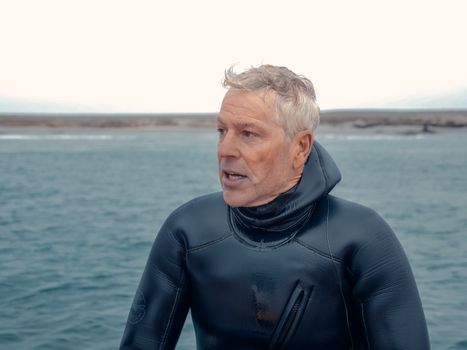
- 4/3 hooded covers the neck, head, and sometimes face partially
- 5/4 non-hooded leaves all of the above exposed
- Net warmth: roughly comparable; the hood compensates for the thickness
For most cold-water decisions, the hooded 4/3 is the more flexible choice unless you’re consistently in genuinely cold water (sub-50°F).
For hood specifics: hood buying guide, hooded vs hood-optional comparison.
Multi-suit cold-water kit
For year-round cold-water surfers, the typical multi-suit kit:
4/3 hooded: primary suit for shoulder-season cold (50 to 60°F).
5/4 hooded: for the coldest weeks (47 to 53°F).
3/2: for the warmest weeks (62 to 68°F if you have a brief warm window).
The combination handles the full year. For year-round PNW, NorCal, Northeast surfers, this is the standard kit.
For broader gear context: Pacific Northwest pillar, cold-water surfing complete guide, thermal linings compared, seam types, 3/2 vs 4/3 comparison, O’Neill Hyperfreak 4/3 review, Patagonia R3 Yulex review, hood guide, O’Neill brand guide, Patagonia brand guide, Xcel brand guide, wetsuit thickness guide, fall wetsuit transition. For thickness selection, the Wetsuit Finder tool takes 60 seconds.
Sources cited
- O’Neill. O’Neill cold-water lineup documentation. Manufacturer thickness recommendations across cold-water suits.
- Surfer Today. Cold-Water Wetsuit Thickness. Industry overview of cold-water thickness selection.
- Wetsuit Centre UK. Cold-Water Wetsuit Guide. UK retailer-side cold-water selection guide.
Frequently asked
What's the temperature threshold between 4/3 and 5/4?
Roughly 53°F. Above 53°F, a 4/3 (especially a hooded 4/3 with thermal lining) covers cold-water surfing comfortably. Below 53°F, the 5/4 starts winning by a clearer margin. The threshold shifts a few degrees by personal cold tolerance and session duration.
Is a 4/3 hooded warmer than a 5/4 non-hooded?
About equal in steady-state warmth. The hood on a 4/3 hooded covers a flush zone (the neck) that a non-hooded 5/4 leaves exposed. The 5/4's extra body thickness compensates for the unhooded neck flush. Net warmth is similar; the 4/3 hooded is more comfortable in moderate cold conditions because it's lighter and more flexible.
Does a 5/4 with thermal lining beat an unlined 5/4?
Yes, meaningfully. A thermal-lined 5/4 (Drylock, Flashbomb, Firewall) feels notably warmer than a plain 5/4 with the same thickness, especially after flush events. For sustained cold-water use, the lining is genuinely valuable. The price gap (typically $100 to $150) is worth it for cold-water buyers.
What thickness for genuinely cold water (40 to 50°F)?
5/4 hooded with thermal lining is the standard. For sub-45°F water, some surfers push into 6/5 hooded territory. Below 38 to 40°F, drysuit becomes the reliable choice. The 5/4 hooded covers most of the year for PNW, Northeast US, UK, and similar cold-water regions.
About The WetsuitCenter Team
Head-to-head comparisons pair hands-on testing with published specs so you can see real differences instead of marketing copy.
You might also like
Hooded vs Hood-Optional Wetsuits: Cold-Water Comparison
Hooded vs hood-optional wetsuits compared. When integrated hoods win, when separate hoods are better, and the real warmth and flexibility differences.

Wetsuit vs Drysuit: When to Switch
Wetsuit vs drysuit compared. Cost, warmth, mobility, and the water-temperature threshold where most surfers, divers, and paddlers switch.

Premium vs Budget Wetsuits: What $300 More Buys You
Premium vs budget wetsuits compared. What you actually get for $400 over $150 across neoprene grade, seams, thermal lining, and lifespan.