
On this page
The wetsuit-vs-drysuit decision is the major gear inflection point for cold-water sport. Most surfers never need to make it; most year-round PNW divers and Northeast paddlers eventually do. Wetsuit vs drysuit comes down to water temperature, immersion duration, and what you can spend. This guide covers both garments side-by-side, names the threshold where most users switch, and explains where wetsuits genuinely outperform drysuits despite the warmth gap.
For background on how wetsuits actually keep you warm, see our science of wetsuit warmth guide. For deep cold-water buying decisions, the cold-water Pacific Northwest pillar covers the wetsuit side of the spectrum.
Key Takeaways
- • 45°F is the threshold where most users start considering drysuit.
- • Drysuits keep you dry; wetsuits trap and warm a thin water layer.
- • Cost gap is significant: $400 to $600 for a top-tier wetsuit vs $1500+ for a drysuit.
- • Wetsuits win on flexibility; drysuits win on raw warmth and immersion duration.
- • Most surfers stay in wetsuits even in cold water; divers and paddlers switch earlier.
How each garment works
Wetsuit
A wetsuit is closed-cell neoprene foam fitted close to the body. Water enters through every seam, seal, and zipper within seconds of immersion. A thin layer (1 to 3mm thick) is trapped between skin and rubber. Body heat warms this water to skin temperature within 3 to 5 minutes, and the warmed water becomes the primary thermal buffer.
The neoprene’s gas-filled cells resist heat conduction, keeping the warmed water from being chilled by the cold outside water. Tight seals (neck, wrists, ankles) prevent the warmed water from being flushed and replaced.
The system works because warm water at skin temperature loses heat slowly through closed-cell foam. For background mechanics, see our science of wetsuit warmth guide.
Drysuit
A drysuit is a fully sealed waterproof garment. The shell is typically a coated nylon or trilaminate fabric, sealed at the wrists, ankles, and neck with latex or silicone seals (or stretchy neoprene seals on some models). A waterproof zipper keeps the closure dry.
You wear insulating undergarments inside the drysuit (fleece, primaloft, or wool). The undergarments stay dry, retaining their full insulating value. The drysuit shell is just a waterproof barrier; all the insulation is in what you wear underneath.
The system works because dry insulation is dramatically more effective than wet insulation, regardless of the rubber chemistry. A diver in 38°F water with a drysuit and proper undergarments is genuinely warm in a way no wetsuit can match.
Warmth comparison
The drysuit advantage in genuinely cold water is large. Approximate effective comfort ranges:
| Water Temp | Wetsuit Best Option | Drysuit Standard |
|---|---|---|
| 65°F+ | 3/2 or 4/3 | Overkill |
| 55 to 65°F | 4/3 hooded | Possible but unnecessary |
| 50 to 55°F | 4/3 hooded or 5/4 | Comfortable |
| 45 to 50°F | 5/4 hooded | Comfortable |
| 38 to 45°F | 6/5 hooded with full kit | Standard choice |
| Below 38°F | Not recommended | Required |
The wetsuit can technically be pushed into 38 to 42°F territory with a 6/5 hooded suit, full booties, gloves, and a changing robe for after-session warmup. But session lengths shrink, after-drop becomes serious, and most users find the experience genuinely uncomfortable.
The drysuit handles 38°F water as comfortably as a 4/3 wetsuit handles 60°F water. The warmth advantage is real and substantial.
Cost comparison
| Tier | Wetsuit | Drysuit |
|---|---|---|
| Budget | $130 to $200 (basic 3/2) | Not generally available |
| Mid-range | $250 to $400 | $700 to $1100 |
| Premium | $450 to $700 (5/4 hooded) | $1500 to $2500 |
| Top-tier | $600 to $900 (6/5 hooded) | $2500 to $4000+ |
The cost gap is roughly 3 to 4x. A top-tier 6/5 hooded wetsuit at $700 has direct functional drysuit equivalents in the $2500+ range. For occasional cold-water exposure, the gap is hard to justify. For year-round serious use in genuinely cold water, the cost-per-session over a 5 to 7 year lifespan can favor the drysuit.
Top-tier dive drysuits (DUI, SantiE Diving, Whites) extend into the $4000+ range. These are professional-grade gear for technical diving, military, and commercial use.
Mobility comparison
Wetsuits win clearly on mobility. A 4/3 hooded surfing wetsuit allows nearly normal arm range and reasonable shoulder flex. A drysuit, even a flexible surf-specific drysuit, restricts movement noticeably.
The reasons:
- Drysuit fabric is less stretchy than neoprene
- The trapped air inside the drysuit creates pressure during flex (compresses against you)
- The undergarments add bulk that affects range of motion
- The seal materials (latex wrist seals, neoprene neck seal) can resist movement
For sports requiring high range of motion (surfing, paddling, swimming), a wetsuit’s mobility advantage usually outweighs the warmth disadvantage above 45°F water. Below 45°F, the warmth need can flip the calculation.
Who uses what
Surfers
Most surfers use wetsuits exclusively. Even cold-water surfers in PNW, Maine, and Iceland predominantly use 5/4 hooded or 6/5 hooded wetsuits with full accessories rather than drysuits. The mobility and weight advantages matter for paddling and duck-diving.
A handful of competitive cold-water surfers use surf-specific drysuits in genuinely deep cold (38 to 42°F water), but these are exceptions.
For surf-specific cold-water gear, see best cold-water wetsuits and the Pacific Northwest pillar.
Scuba and freedivers
Most cold-water scuba divers (water below 60°F) use drysuits. The reasons:
- Extended bottom time (45+ minutes per dive)
- Deeper water with more cold layers
- Less paddling, so flex matters less
- Air-supply equipment integrates with drysuit valves
Freedivers below 50°F also typically use drysuits, though wetsuits are more common in 50 to 60°F freedive territory.
For the wetsuit side of dive context, see best wetsuits for scuba diving and spearfishing wetsuits guide.
Whitewater paddlers
For whitewater kayaking, drysuits become standard once water dips below 50°F. The risk profile (long swims if you flip, long exposure during rescues) makes drysuit safety insurance well worth the cost. Above 50°F, a farmer-john wetsuit setup is more common.
Open-water swimmers
Triathletes and competitive open-water swimmers exclusively use wetsuits. The flex requirement for swimming and the weight penalty of a drysuit (full of trapped air) make drysuits unworkable for swimming.
For swim-focused gear, see best wetsuits for triathlons and the Zone3 brand guide.
Cold-water training and rescue
Lifeguards, water-rescue professionals, and ice-plunging practitioners use a mix. Above 50°F: wetsuit. Below 45°F: drysuit. The ice plunging guide covers the cold-shock training side specifically.
When to switch
Three triggers for moving from wetsuit to drysuit:
1. Water temperature consistently below 45°F. This is the dominant trigger. A 6/5 hooded wetsuit in 38 to 42°F water is genuinely uncomfortable for sessions over 30 minutes. The drysuit changes the experience.
2. Session duration over 60 minutes in cold water. After-drop and cumulative cold exposure compound during long sessions. The drysuit’s dry-insulation system handles long durations better than any wetsuit.
3. High-risk swim-out scenarios. For whitewater paddling, ocean rescue, or any context where unplanned long-immersion swims are likely, a drysuit’s safety margin is meaningful. Wetsuits assume you can self-rescue or be rescued in 5 to 15 minutes; drysuits extend that envelope significantly.
If none of these triggers apply, stay in a wetsuit. The wetsuit’s mobility, weight, and cost advantages outweigh the warmth gap above 45°F water.
Drysuit care basics
Drysuits require more maintenance than wetsuits:
- Latex seals need annual inspection and 2 to 3 year replacement
- Waterproof zipper needs lubrication every 5 to 10 dives
- Shell wash with mild soap every season
- Storage rolled dry, not folded, in a cool dark location
The wetsuit care and maintenance guide covers wetsuit-side care; drysuit care follows similar principles but with additional seal-specific considerations.
Buying advice
If you’re trying to decide between a top-tier 6/5 hooded wetsuit and a drysuit:
Buy the wetsuit if:
- Most water you surf/dive/paddle is 45°F or warmer
- Sessions are typically under 90 minutes
- Mobility matters (paddling, swimming, surfing)
- Budget is under $1500 total
Buy the drysuit if:
- Most water is 42°F or colder
- Sessions exceed 90 minutes regularly
- Your sport is dive-heavy or extended-immersion
- Budget can support $2000+ for the suit plus undergarments
Buy both if:
- Year-round cold-water serious user
- Have the budget
- Frequently encounter conditions across the threshold
For broader gear context: best cold-water wetsuits, Pacific Northwest pillar, whitewater kayak guide, scuba diving guide, thermal linings compared.
For thickness selection by your specific water, the Wetsuit Finder tool takes 60 seconds.
Sources cited
- DUI Drysuits. DUI dive drysuit documentation. Premium dive-drysuit manufacturer with detailed specs and undergarment guides.
- NRS. Dry vs Wet: Choosing Paddling Gear. Whitewater-paddling industry overview of wetsuit/drysuit decision logic.
- US Navy Diving Manual. Naval Sea Systems Command diving documentation. Public-domain reference on cold-water immersion exposure.
Frequently asked
What's the difference between a wetsuit and a drysuit?
A wetsuit lets a thin layer of water enter the suit, where it's warmed by your body and held against the skin as a thermal buffer. A drysuit is a fully sealed garment that keeps water out entirely, with insulating undergarments worn underneath. Wetsuits are cheaper, simpler, and more flexible. Drysuits are warmer in genuinely cold conditions, less weight-changing when wet, and necessary for sub-40°F water or extended immersion. Most surfers use wetsuits; most divers in water below 60°F use drysuits.
At what water temperature should I switch from wetsuit to drysuit?
Roughly 45°F is the threshold for most users. Above 45°F, a 5/4 hooded wetsuit handles short and medium sessions. Below 45°F, drysuit becomes increasingly the better choice, especially for sessions over 30 minutes or for divers staying down for extended bottom time. Some surfers push wetsuits into 38 to 42°F water but with shorter sessions and aggressive cold-management. Drysuit is the reliable answer below 45°F.
Are drysuits really worth $1500+?
For year-round cold-water immersion in genuinely cold conditions, yes. The Cost-per-session math depends heavily on use: a year-round PNW surfer logging 100+ sessions in sub-45°F water gets meaningfully more value from a drysuit than from layered wetsuits. For occasional cold exposure, a 6/5 wetsuit (around $500 to $600) is the more economical pick. The drysuit premium pays off when you genuinely live in the cold-water zone.
Can you surf in a drysuit?
Yes, but it's uncommon. Surf-specific drysuits exist (Body Glove, NRS, and others make them), but they're substantially less flexible than wetsuits and most surfers prefer 5/4 or 6/5 hooded wetsuits even in deep cold. The exception is competitive cold-water surfing in 38 to 45°F water where a drysuit's warmth advantage matters enough. For most surfers in any water above 42°F, a wetsuit is the right answer.
About The WetsuitCenter Team
Head-to-head comparisons pair hands-on testing with published specs so you can see real differences instead of marketing copy.
You might also like
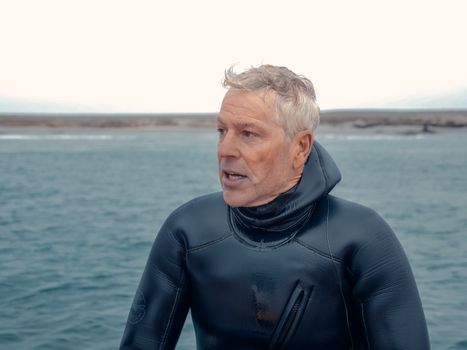
Hooded vs Hood-Optional Wetsuits: Cold-Water Comparison
Hooded vs hood-optional wetsuits compared. When integrated hoods win, when separate hoods are better, and the real warmth and flexibility differences.
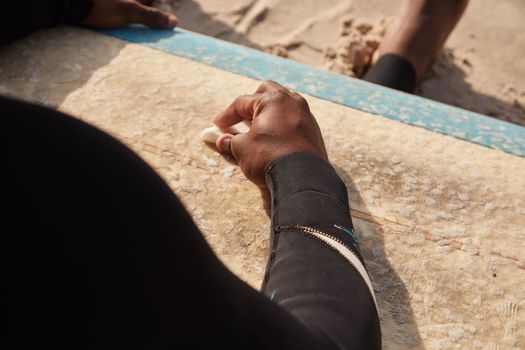
4/3 vs 5/4 Wetsuits: Cold-Water Thickness Decision
4/3 vs 5/4 wetsuits compared. Which thickness for which cold-water conditions, how thermal linings change the equation, and where 5/4 wins clearly.

Premium vs Budget Wetsuits: What $300 More Buys You
Premium vs budget wetsuits compared. What you actually get for $400 over $150 across neoprene grade, seams, thermal lining, and lifespan.